Biochar’s success depends on delivering genuine local impact
Working at a carbon removal and climate tech company, we spend a lot of time thinking about tonnes removed, projects scaled and targets met. While those outcomes are important to our business, we’re equally interested in the wider value our projects can create for the communities they’re in.
As carbon removal moves from pilots to wider deployment, projects that support climate resilience, improve local environments and create opportunities for community participation are more likely to earn trust and backing over the long term.
At A Healthier Earth, that principle shapes our approach. As the climate-tech R&D subsidiary of Pure Data Centres Group (Pure DC), we develop and test solutions that support Pure DC’s work to reduce the environmental impact of digital infrastructure and deliver benefits in the communities around its campuses. By working with councils, schools, charities and environmental organisations, we are exploring practical applications for biochar and other climate technologies that support urban resilience, biodiversity and access to nature.
Bringing biochar’s benefits into communities
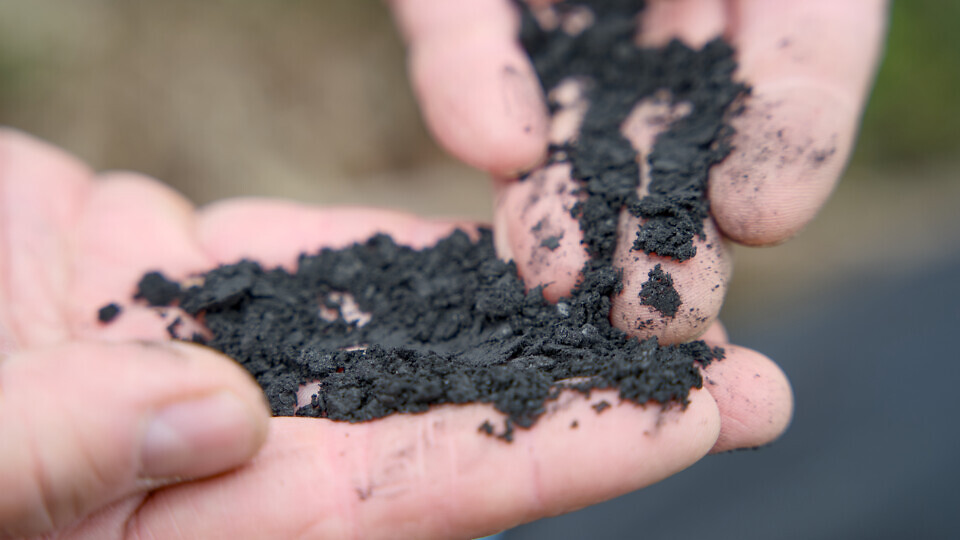
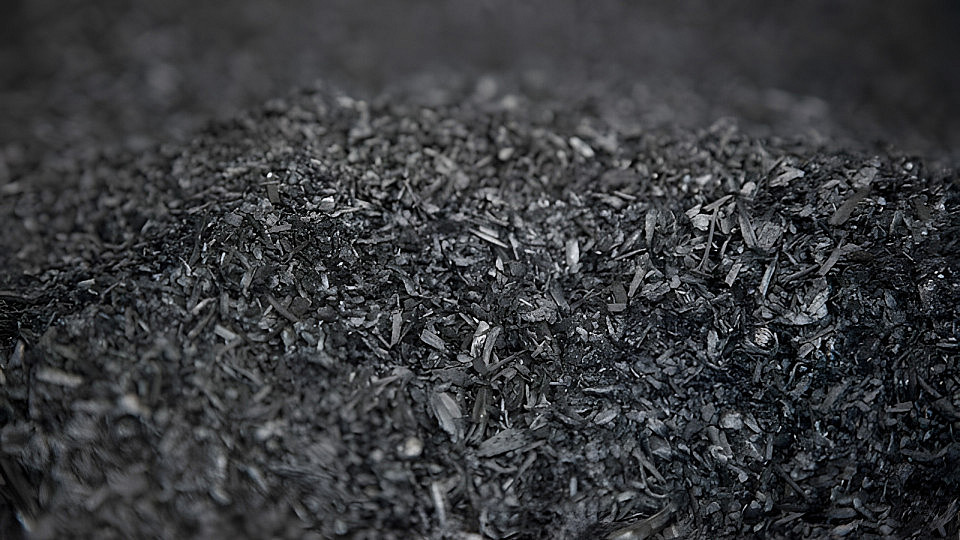
Biochar’s versatility makes it well suited to projects that address both climate and local environmental challenges. Its unique ability to improve soil health, support plant growth and increase water retention can help strengthen urban green infrastructure, support biodiversity and improve resilience to pressures such as drought and extreme heat.
This is particularly relevant for growing sectors such as digital infrastructure. As data centres expand across the UK, providers are exploring ways to help make positive impacts in the communities they operate. For Pure DC, this means investing in projects that support local communities and strengthen environmental resilience around its campuses. Integrating biochar into wider environmental and community projects creates an opportunity to explore its practical benefits alongside its role as a durable carbon-removal material, from improving growing conditions and water efficiency to supporting greener, more resilient urban environments.
Creating more resilient neighborhoods through urban forests
Urban areas are facing growing challenges from rising temperatures, water stress and biodiversity loss, with more than 70% of England in drought over the 2026 summer. Against this backdrop, interest is growing in how urban green spaces can support both environmental resilience and community wellbeing.
This principle sits at the heart of a project led by Pure DC in partnership with Barnet Council and Earthwatch Europe. Near Pure DC’s Brent Cross campus, three new urban forests have been created in East Finchley, with more than 1,800 saplings planted by Pure DC volunteers, local residents and schoolchildren. Designed as nature-rich community spaces, the forests connect to an existing green space, urban wildflower meadow and outdoor classroom, creating new opportunities for people to learn about nature on their doorstep.
A third of the saplings were grown through A Healthier Earth’s ForestFactory®, giving researchers an opportunity to compare their performance with standard nursery-grown trees. Biochar was also used as a soil amendment within the project, as part of research into how growing conditions, soil treatments and planting methods can support tree establishment and resilience. The forests will serve as living laboratories, enabling citizen scientists to contribute to long-term monitoring.

Since the creation of the urban forests, the sites have become part of an ongoing programme of monitoring and citizen science, designed to build understanding of how different saplings, soil treatments and planting methods perform over time.
Making climate adaptation visible with living walls
Living walls are a practical climate tech solution that supports biodiversity, improves air quality, reduces noise, helps cool urban areas and brings nature into cities in ways that make climate adaptation more visible for local communities. Through our work with Viritopia, we have been exploring how biochar can improve the performance of living wall systems. Our trials have shown that biochar-enriched growing media can reduce water requirements by up to 60%, helping create more resilient and resource-efficient green infrastructure.
That research is helping shape one of the world’s largest living walls, which Pure DC is building with Viritopia around its Brent Cross data centre. Spanning 7,400 square metres and featuring more than 750,000 plants, the wall is designed to support biodiversity, help filter air pollution, reduce noise and regulate the building’s internal temperature. Its biochar-enriched substrate, developed through testing by A Healthier Earth and Viritopia, is intended to reduce the amount of water needed to maintain the wall.
Benefitting local schools and community spaces
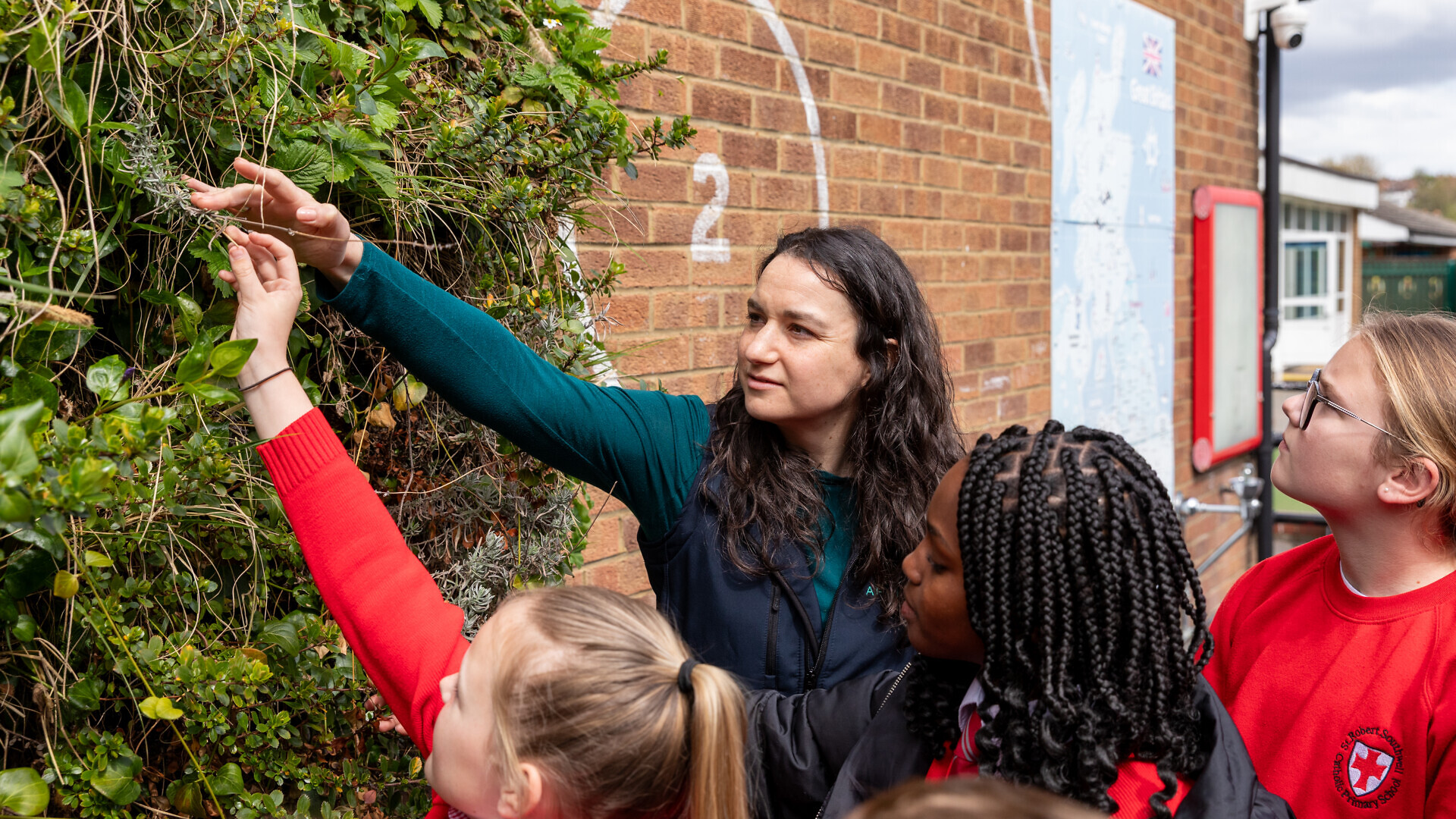
Last year, Pure DC, A Healthier Earth and Viritopia donated a living wall to St Robert Southwell RC Primary School in Brent. Installed in the playground, it gives pupils a practical way to learn about plant growth, biodiversity, green infrastructure and climate action. The project quickly became a talking point among students, sparking questions about biodiversity, plant growth and the role nature can play in improving urban environments. By bringing these conversations into a familiar setting, it helped make climate and nature challenges more tangible for young people while showing that they can play a role in creating positive change in their own communities.
The structure is also planted in a biochar-mixed compost to reduce the amount of water required to keep the living wall thriving. It will continue to be used as an educational resource, helping students understand the role of green infrastructure in tackling climate change and supporting biodiversity.
One of the most rewarding parts of the project has been seeing how engaged the pupils have been. Their curiosity, excitement and willingness to get involved was a reminder that children often connect with nature instinctively when given the opportunity. My hope is that these experiences stay with them and inspire the next generation to create and champion nature in their own communities.
Climate innovation should create value beyond carbon
Carbon removal needs to deliver credible, measurable climate impact. But the technologies and materials developed through that work can create wider community value too.
For A Healthier Earth, that means developing projects that improve the places where people live, work and learn. Whether that’s planting urban forests, creating greener public spaces, supporting biodiversity or improving resilience to climate change, we believe carbon removal should leave a positive local legacy as well as a global one.
That’s why we work with councils, schools, charities and businesses to develop projects that combine measurable climate impact with tangible environmental and social benefits. As the carbon removal market grows, ensuring communities share in that value will be critical to building support and creating solutions that last.
Speak to us to find out more.
Related content

Biochar's success depends on delivering genuine local impact
Learn more
Why we treat biochar as infrastructure investment
Learn more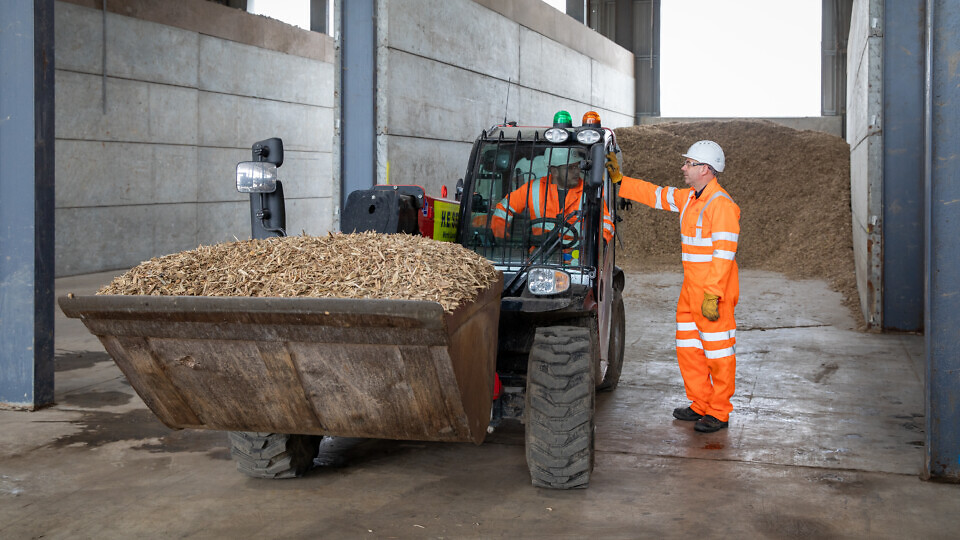
Biochar's quiet bottleneck isn't demand, it's feedstock
Learn more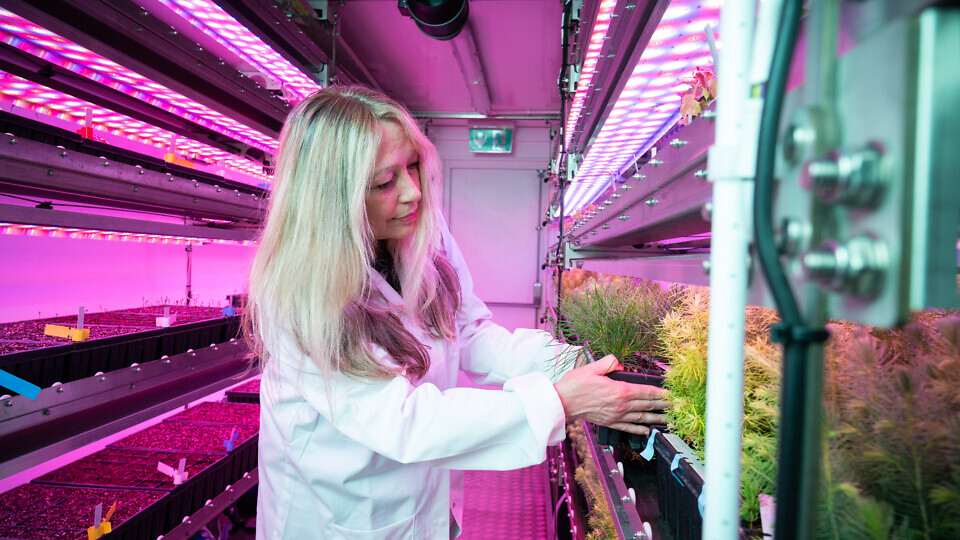
The future of biochar CDR depends on credible, science-led applications
Learn more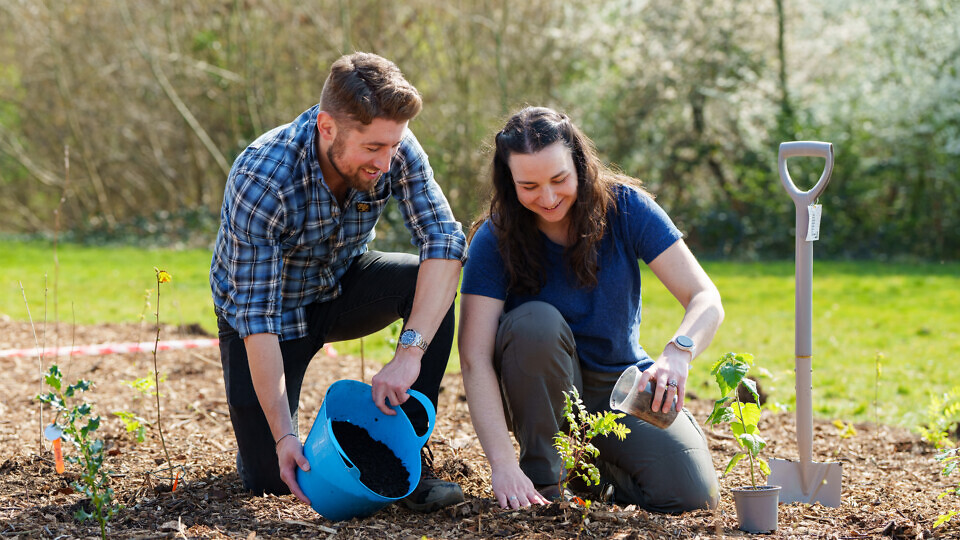
Building partnerships that grow into profitable environmental projects
Learn more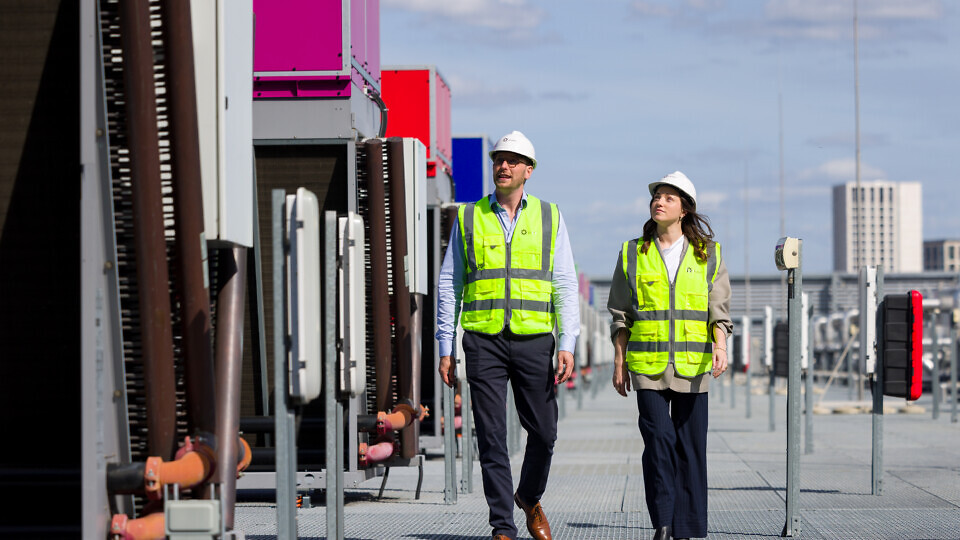
The three rules of building a bankable CDR market
Learn more
Pure DC’s A Healthier Earth Subsidiary Launches World’s First Integrated Carbon Removal Platform from the Data Centre Sector
Learn more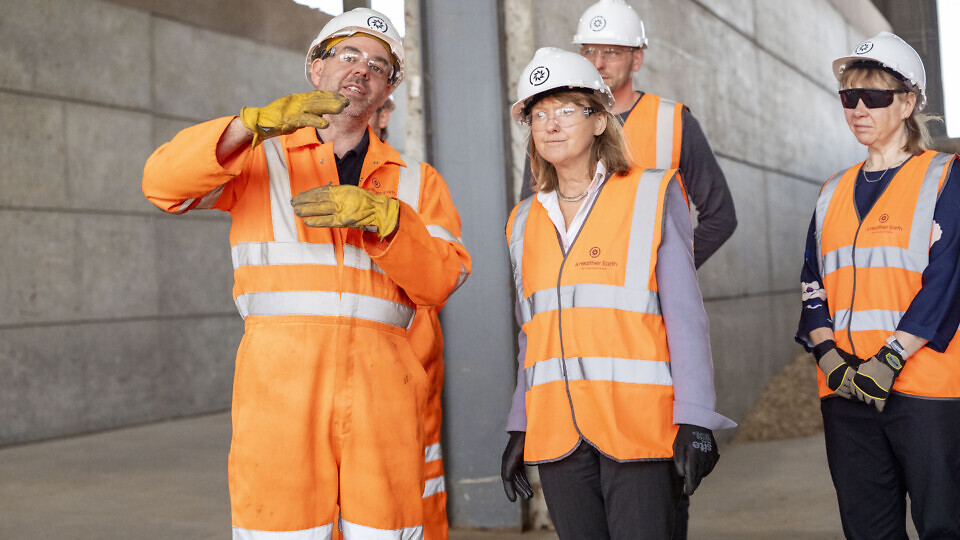
MP visits A Healthier Earth’s PureBiochar facility in Royal Wootton Bassett
Learn more
The UK’s largest biochar production facility driving carbon removal at scale
Learn more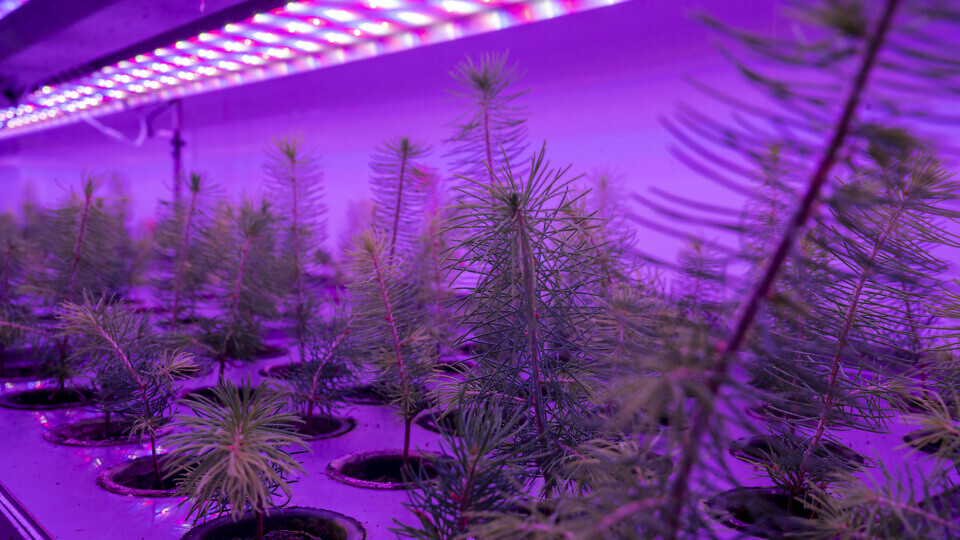
ForestFactory® is featured on BBC Countryfile at Blenheim Palace
Learn more
A Healthier Earth and Cefetra secure £1.34m DEFRA grant to develop biogenic low carbon fertiliser for UK farmers
Learn more