The three rules of building a bankable CDR market
Carbon dioxide removal (CDR) is becoming a business-critical tool for organisations with hard-to-abate emissions and long-term net zero commitments. For institutional buyers, the challenge is no longer whether CDR has a role to play, but whether the market can provide enough high-integrity supply, with the consistency, evidence and delivery confidence needed to support serious investment.
We see hyperscalers as a key force in this shift. Their growing demand for durable removals is helping to shape the market while raising expectations around integrity, evidence and long-term delivery.
Biochar’s scientific potential is now well understood – including recognition under the European Union’s Carbon Removals and Carbon Farming (CRCF) framework as a durable, high-integrity carbon removal method. But much of the market remains fragmented and small-scale. Creating uncertainty for buyers that need large-scale durable carbon removal they can contract with confidence. But the market itself remains fragmented and small-scale. For buyers looking to contract at scale, that creates uncertainty. Our approach is focused on closing that gap – moving from promising individual projects to a system that can deliver reliable, scalable, buyer-grade carbon removal.
At the centre of this challenge is a simple equation: governance, traceability and transparency.
Turning projects into a credible system with governance
Without strong governance, a project can’t exist.
However, it can be somewhat complex to implement, as it must hit every point of the value chain. From assessing the standards around feedstock, to ensuring it’s from a sustainable source, as well as confirming that the impact that you’re having as a project within the geography you operate in doesn’t have second order market effects. We see governance as what transforms one-off delivery into a dependable asset class – with clear expectations for quality, consistency and risk management.
It all starts with feedstock, which must come from a genuinely sustainable source to ensure a project is credible. To be credible, it must come from sustainable sources, and projects must demonstrate that their demand does not create second-order impacts elsewhere. Our approach is to apply oversight to both source and scale, so supply chains remain robust as they grow.
The same level of scrutiny applies to production. Pyrolysis processes must meet local environmental and regulatory standards, minimise emissions, and avoid negative impacts on surrounding communities, such as poor air quality or noise. But we believed well-governed projects should go further, delivering local co-benefits for communities and ecosystems.
Governance also extends to the quality of the biochar itself. It must meet clear thresholds for low toxicity and be fit for its intended end use. Buyers need confidence that the carbon stored in biochar will remain sequestered for the long durability period under biochar standards. Without this, claims cannot be considered credible or contractable.
At our Pure Biochar facility in the UK, this approach comes to life through a fully circular model. We take local garden waste from Wiltshire District Council, which is currently left to decompose and reemit methane and convert it into biochar for agricultural use. This creates a durable carbon removal product while also delivering wider benefits for local soils, farms and communities.
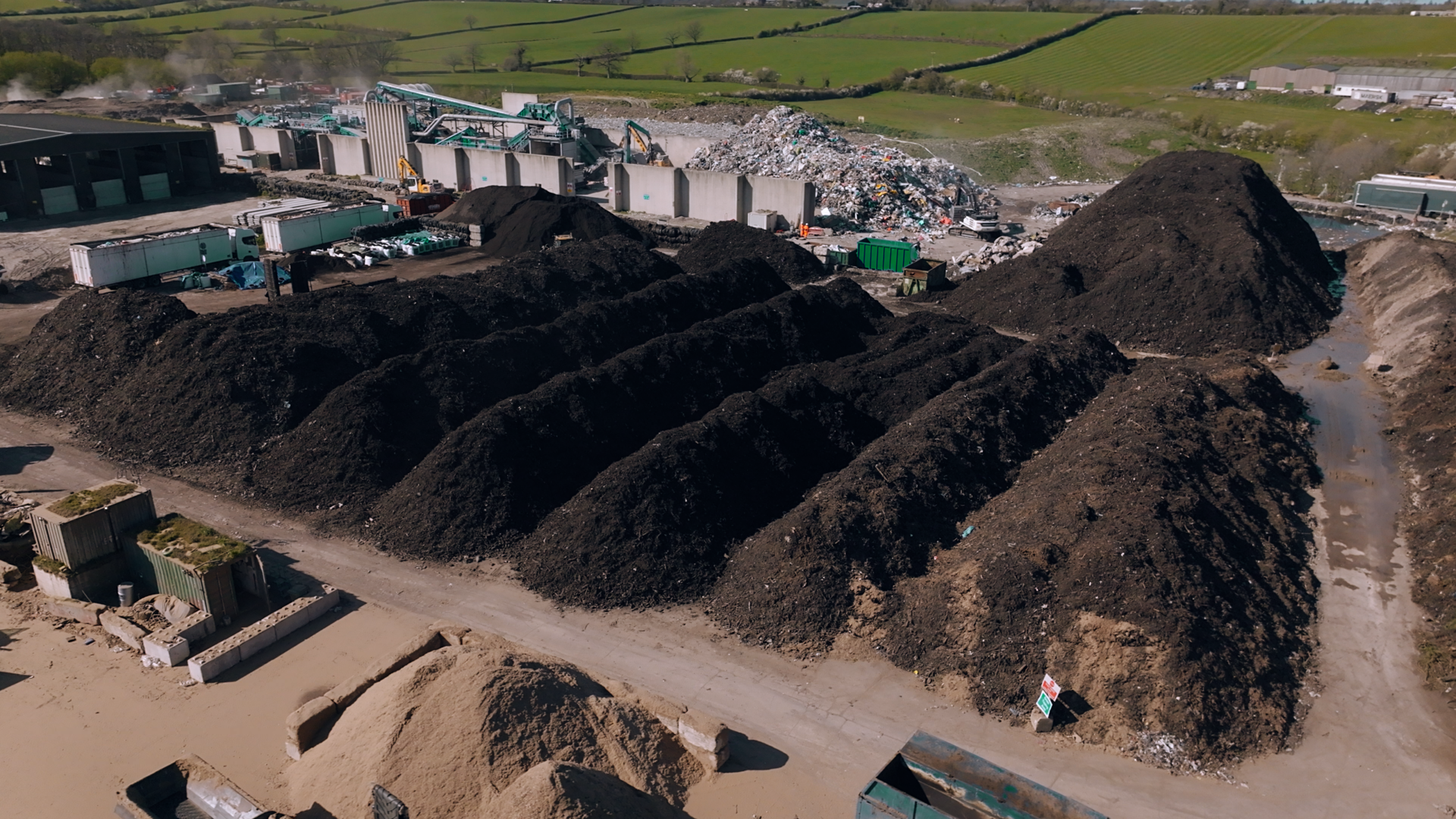
A Healthier Earth's Pure Biochar facility in Royal Wootton Bassett
Making claims verifiable through traceability
Once governance has set the standard, traceability then provides the evidence that those standards are being met. For buyers, this means full visibility across the lifecycle of a project, understanding where the feedstock originates, how the biochar is produced, and where it is ultimately applied or stored to sequester carbon. Traceability allows buyers to verify claims, connecting each step in the value chain to create a clear picture for both the material and the associated carbon outcomes.
Data plays a critical role here. We use digital monitoring, reporting and verification (dMRV) systems to track material flows, capture key data points, and provide a consistent, audit-ready record of project performance. This is necessary to strengthen assurance and enable independent validation of claims, reducing the risk of discrepancies.
At our PureBiochar facility, all biochar produced is certified under the Isometric standard and supported by Mangrove Systems’ dMRV software. Together, this provides audit-ready visibility across sustainable feedstock sourcing, controlled production and carbon durability, helping to show what buyer-grade verification can look like in practice.
We also believe frequency of testing really matters. While annual testing is common across parts of the biochar industry, it may not provide sufficient assurance, particularly where feedstock can change over time and affect the quality and carbon content of the final biochar. Our approach is to undertake routine operational testing of moisture and carbon content, and on-site emissions. This is supplemented by accredited laboratory analysis at the frequency required for each defined production batch and we see material changes in our on-site testing.
In a market where buyers are investing in long-term commitments, this level of verification is not optional. It is what allows biochar to function as a reliable, data-backed product.
Building confidence through transparency
Traceability on its own is not enough. Our approach is to make that data transparent, accessible and meaningful for buyers. Buyers need visibility on where materials come from, how projects operate, and how carbon outcomes are achieved over time. Most importantly, they need to understand if and where there are risks involved.
Biochar projects are often complex, infrastructure-heavy developments. Delays and operational challenges are a reality. We believe transparency means acknowledging these risks and demonstrating how they are managed. In our experience, this openness builds credibility far more effectively than presenting an overly simplified picture of delivery.
Ultimately, transparency is in the proof of delivery. Buyers want to see that projects can navigate real-world constraints and still deliver consistent carbon removal. Clear, accessible data allows them to assess performance independently and build confidence in long-term outcomes.
Translating potential to reliable delivery
As the CDR market matures, expectations are rising. Biochar is well placed to meet the high demands of buyers, but only if strong processes support it. Our approach brings governance, traceability and transparency together to move biochar from a promising solution into a dependable one.
Our newly announced integrated carbon removal biochar platform, a world-first from the data centre sector, is specifically designed to do exactly that. It unlocks scalable, financeable supply of high-integrity biochar and carbon credits for hyperscalers and global corporate buyers. All credits will be certified under the Isometric Standard and supported by Mangrove System’s digital monitoring, reporting, and verification (dMRV) software, providing a transparent, scalable and automation-enabled carbon removal platform.
If you are interested in learning more about our approach to integrated biochar carbon removal and our platform, we’d be happy to talk.
Related content
Biochar's quiet bottleneck isn't demand, it's feedstock
Learn more
The future of biochar CDR depends on credible, science-led applications
Learn more
Building partnerships that grow into profitable environmental projects
Learn more
The three rules of building a bankable CDR market
Learn more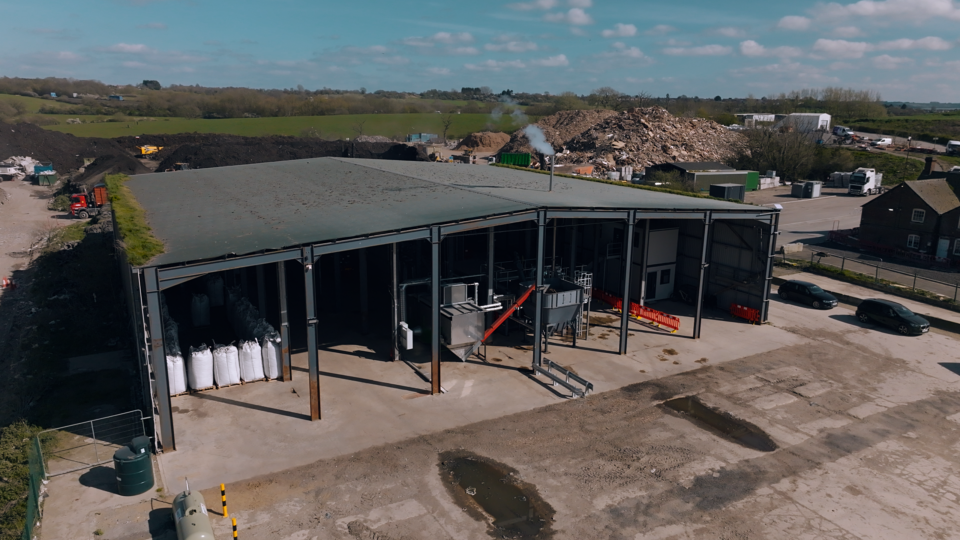
Pure DC’s A Healthier Earth Subsidiary Launches World’s First Integrated Carbon Removal Platform from the Data Centre Sector
Learn more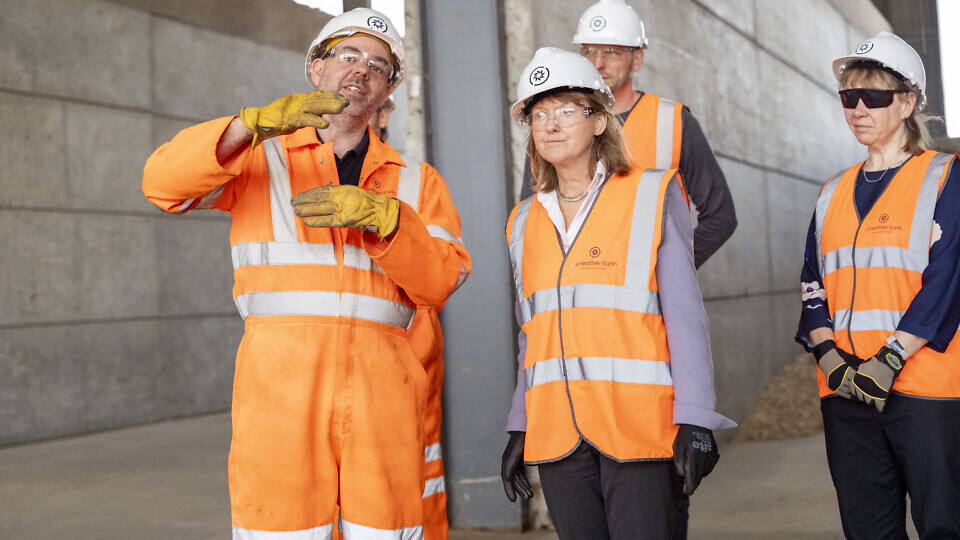
MP visits A Healthier Earth’s PureBiochar facility in Royal Wootton Bassett
Learn more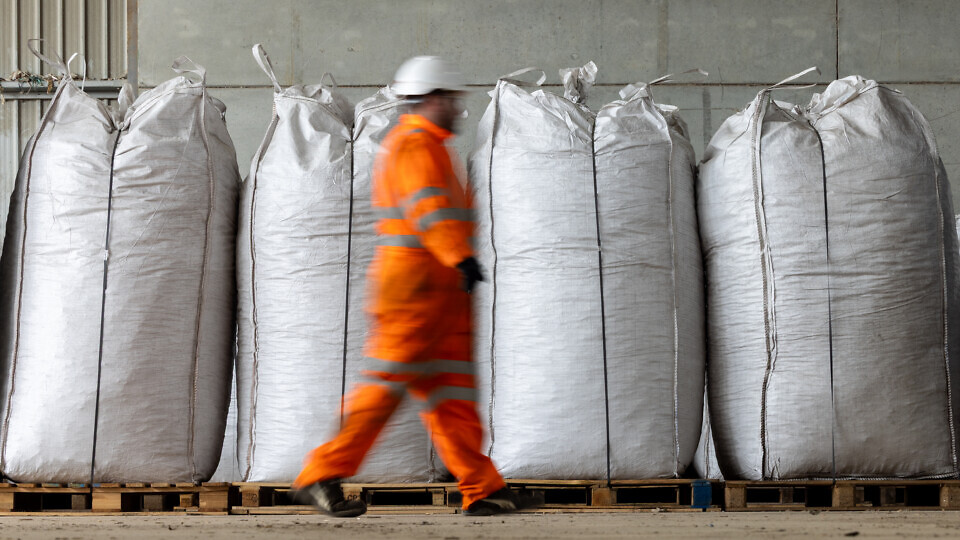
The UK’s largest biochar production facility driving carbon removal at scale
Learn more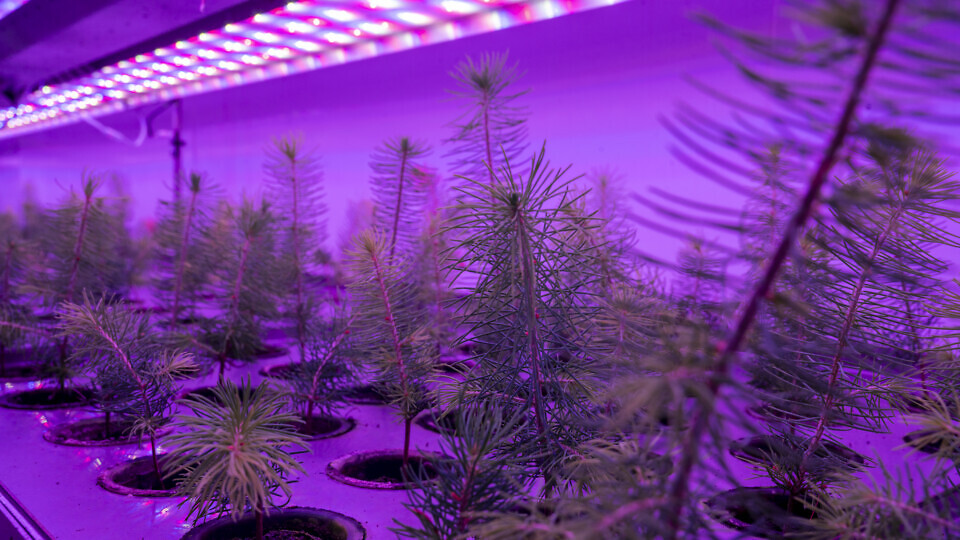
ForestFactory® is featured on BBC Countryfile at Blenheim Palace
Learn more
A Healthier Earth and Cefetra secure £1.34m DEFRA grant to develop biogenic low carbon fertiliser for UK farmers
Learn more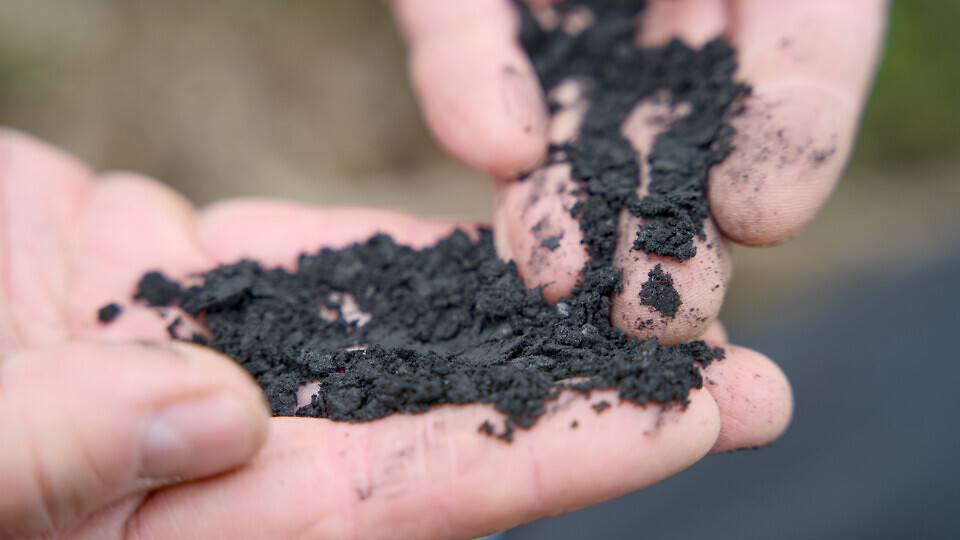
The Biochar Blueprint: A developers guide to scale
Learn more