Creating urban forests for climate adaptation
Urban areas are increasingly vulnerable to climate-related impacts - from heatwaves and poor air quality to limited access to green spaces, which in turn accelerates biodiversity loss.
Helping local communities address challenges like these is central to our work to redefine responsible digital infrastructure. That’s why we take a geo-specific approach to developing solutions tailored to the needs of each community we’re in.
In London, our data centre is located in a densely built urban area with limited access to nature-rich spaces. Applying our geo-specific strategy, we sought to build a solution with local partners that would bring meaningful environmental and social benefits to the local community.
Three Urban Forests in North London
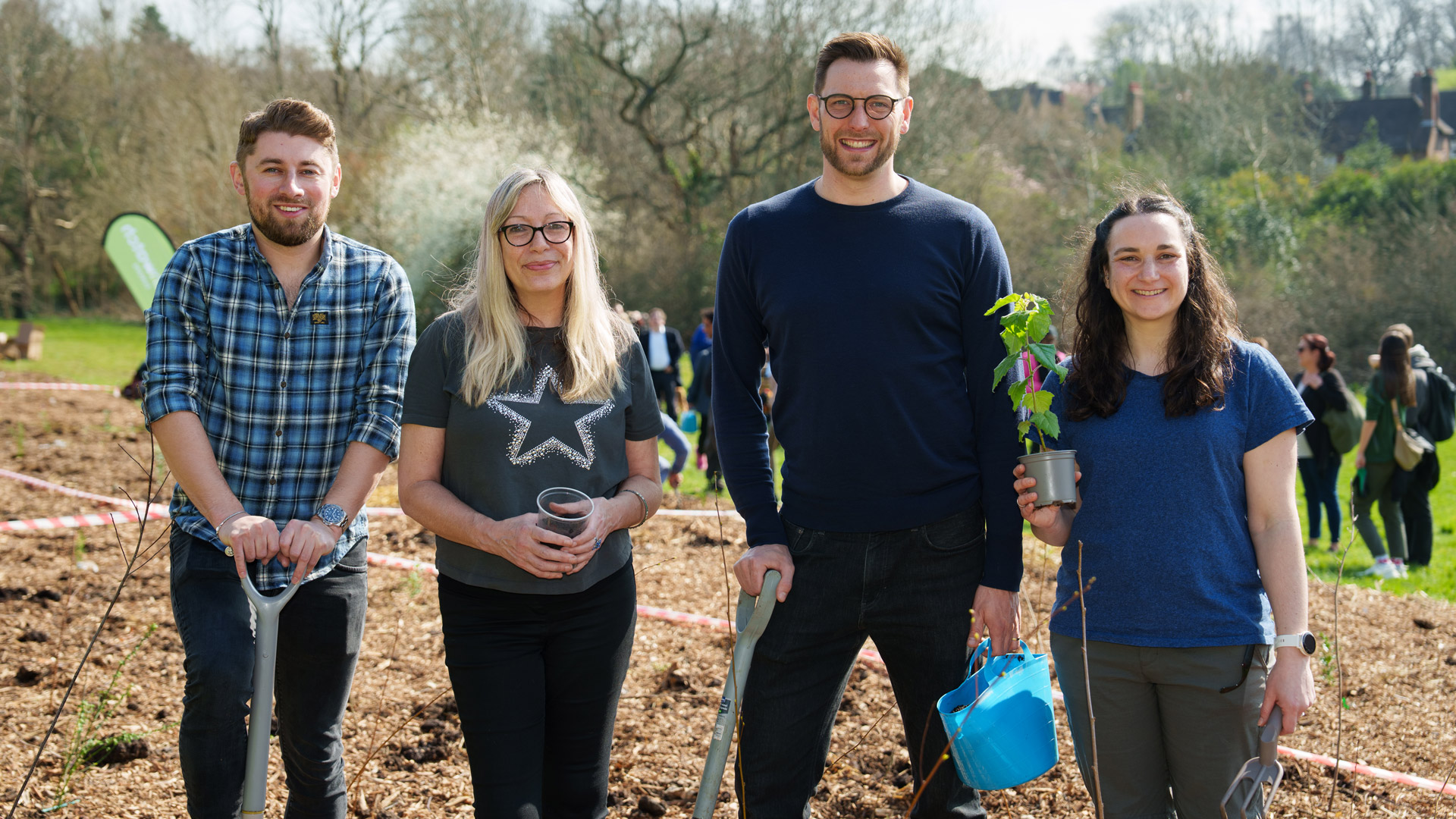
In partnership with Barnet Council and Earthwatch Europe, we’ve created three new ‘Urban Forests’ in East Finchley. Each woodland, roughly the size of a tennis court, was planted with over 1,800 saplings by volunteers from Pure DC and the local community. A third of the saplings planted were grown in the vertical farm at our ForestFactory® at Blenheim Palace, so we can compare their growth to standard nursery-grown trees.


1,800
Saplings planted by volunteers from Pure DC
The three plots will provide nature-rich spaces which connect to an existing Urban Forest and urban wildflower meadow, helping enhance biodiversity, improve air quality and give local residents access to nature. The saplings are also planted using biochar as a soil additive, which improves soil health and is found to help saplings grow faster.
The Urban Forests are part of Earthwatch’s Nature in Cities programme which aims to create greener, healthier cities and improve access to nature-rich spaces in urban areas. The green sites will also serve as a living laboratory for local citizen scientists, coordinated by Earthwatch, to harvest data and investigate techniques to promote faster tree growth. Each plot uses a slightly different planting system to improve understanding of soil condition, carbon sequestrations and drainage. This includes one of the plots using a ‘no-dig’ approach, which is a more progressive way of re-foresting where soil isn’t disturbed. The soil and growth of saplings in this plot will be monitored and compared to the others that used a more traditional approach.
The ‘Urban Forest’ model is based on the Miyawaki method, which encourages dense planting of native species to accelerate forest growth and ecological benefits. It’s a proven approach that delivers rapid results, making it ideal for urban environments where space is limited and impact needs to be swift. By adopting the model, we’re using our geo-specific approach to bring nature into the heart of the city, helping parts of London to adapt to a rapidly changing climate while creating spaces that local people can enjoy and learn from.
Related content
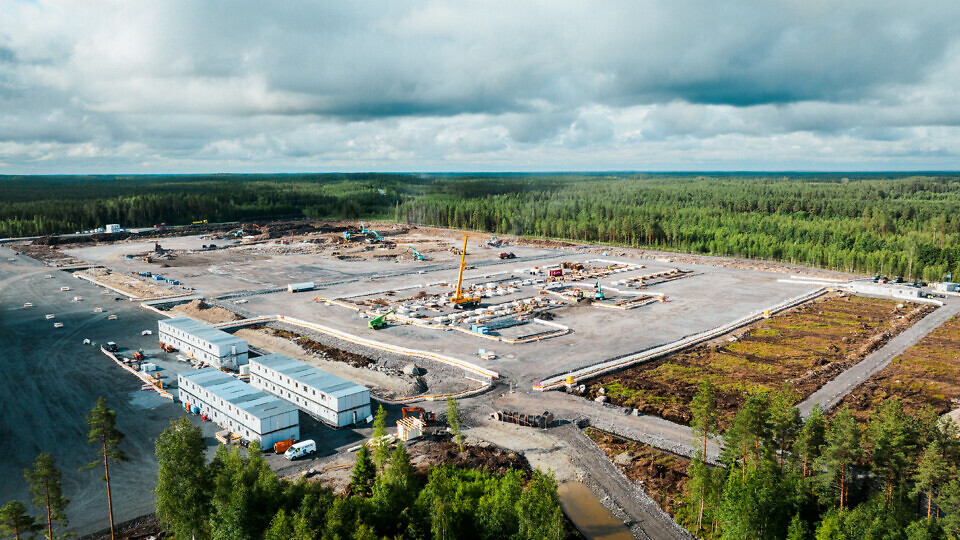
Pure DC Launches One of Europe’s Largest Ever AI Infrastructure Projects
Learn more
Pure Data Centres Group and SEGRO plc announce second joint venture to develop 48mw fully fitted data centre in Paris
Learn more
Pure DC commits to Middle East focus backed by in-region solar renewables
Learn more
Pure DC shows support for those who serve by signing Armed Forces Covenant
Learn more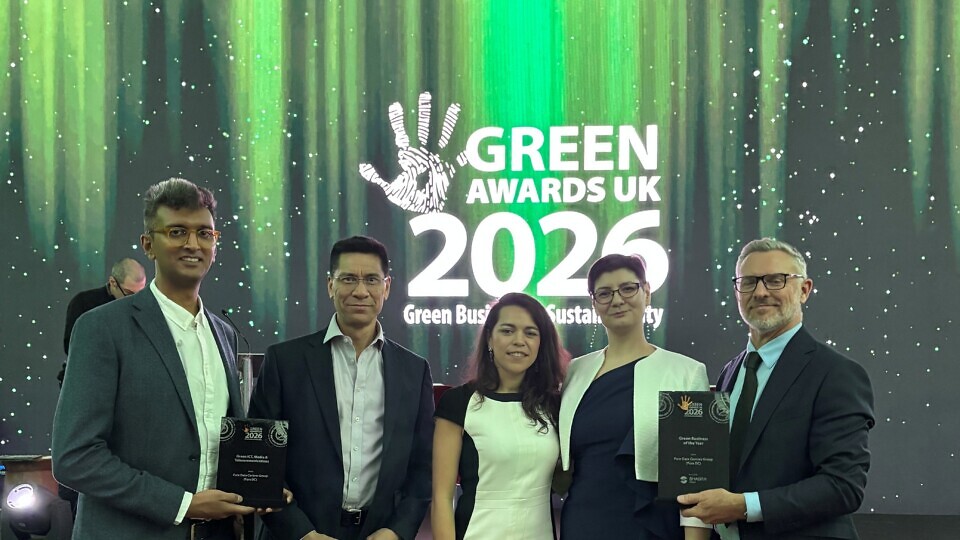
Pure DC wins two awards for sustainability leadership in 2026 Green Awards UK
Learn more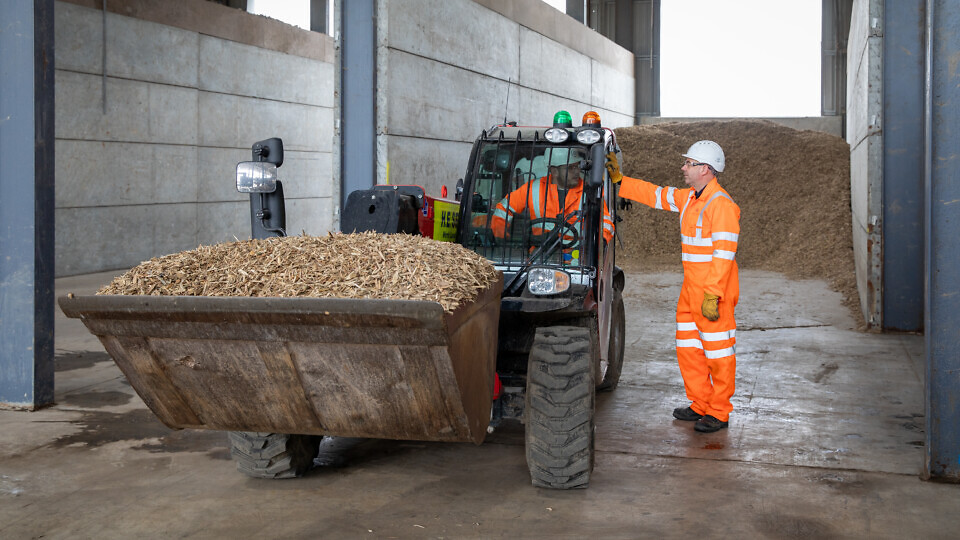
Biochar's quiet bottleneck isn't demand, it's feedstock
Learn more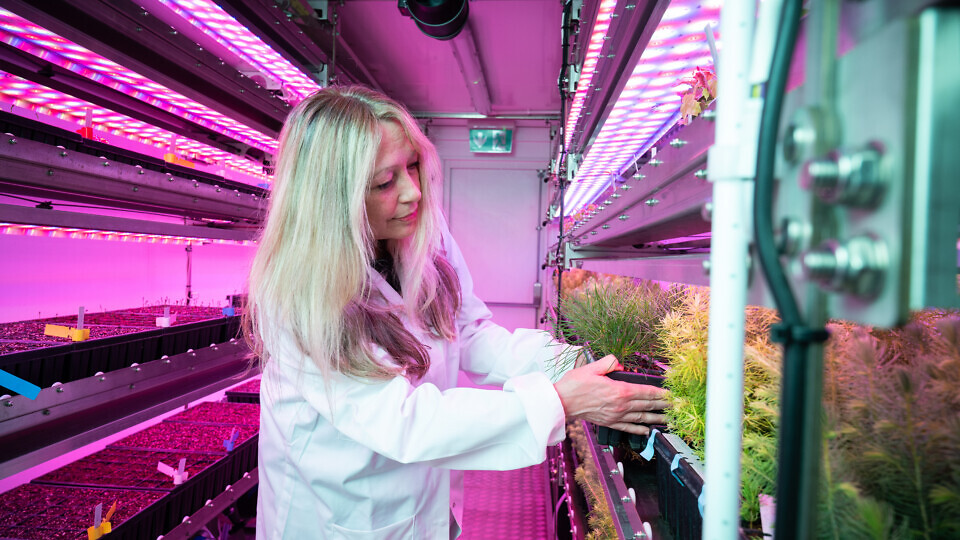
The future of biochar CDR depends on credible, science-led applications
Learn more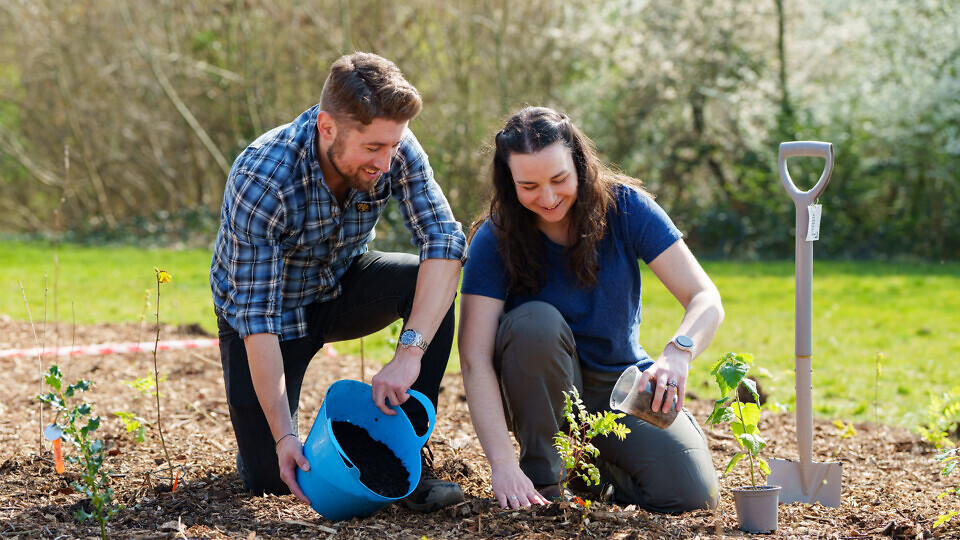
Building partnerships that grow into profitable environmental projects
Learn more
Pure DC Secures Additional €1.3 Billion to Accelerate Growth of One of Europe’s Largest AI Campuses
Learn more
The three rules of building a bankable CDR market
Learn more
Pure DC and AVK Win New Build Project of the Year at 2026 Data Centre Review Excellence Awards
Learn more
Pure DC completes Europe’s first large-scale cross-border biomethane purchase for a data centre
Learn more