Advancing resilient, low carbon agriculture

Supporting global food systems
Agriculture is essential in feeding our global populations, yet our food systems are accelerating and being impacted by climate change, while depending on land already degraded by its effects.
We develop local solutions to help reduce agriculture’s impact on land, while researching how biochar can increase yields and profitability for farmers.
Our approach to resilient, low carbon agriculture
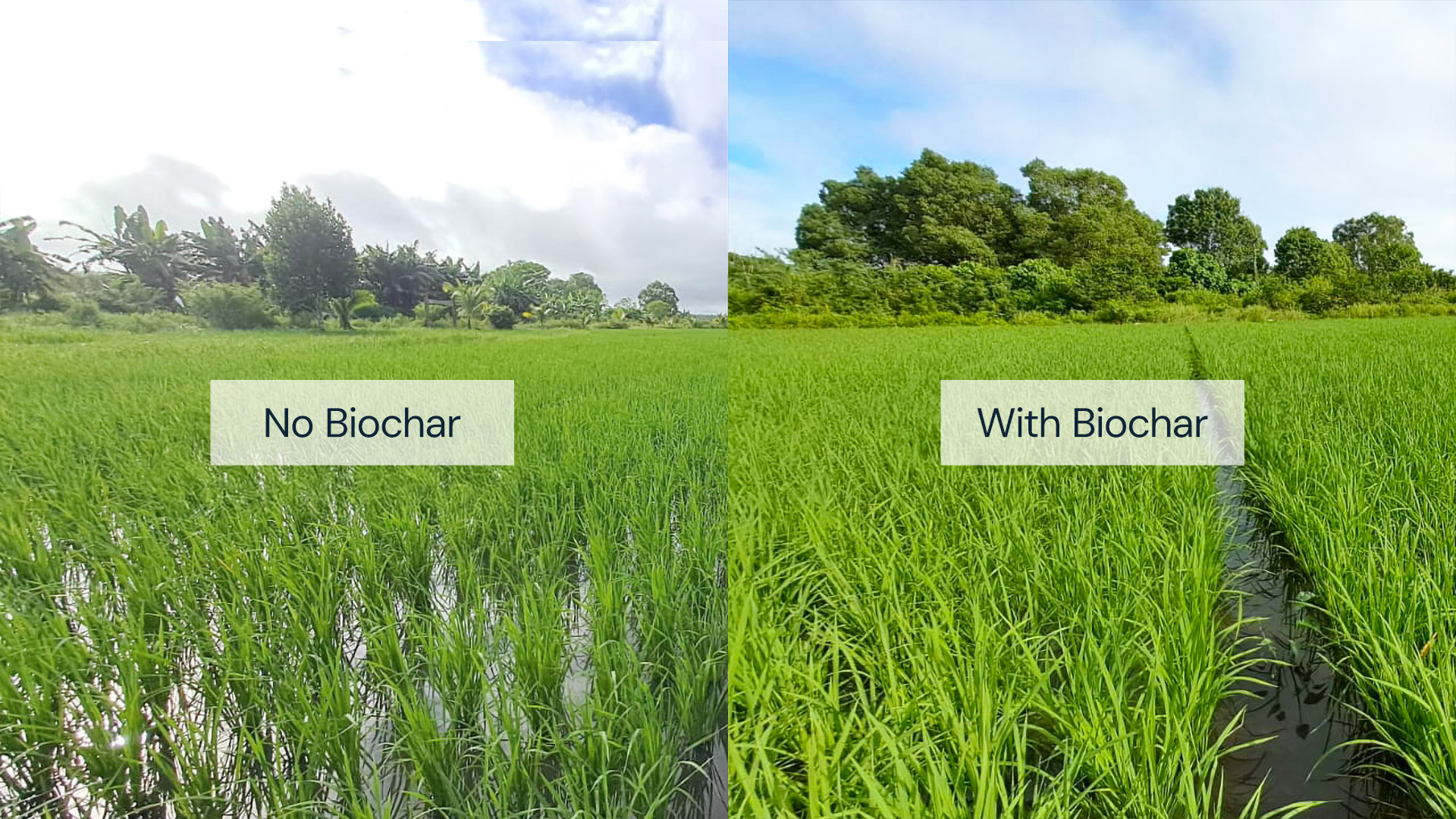
We focus on biochar as a soil additive to support resilient, low-carbon agriculture - which can improve water retention, nutrient availability and agricultural productivity, helping plants thrive while supporting healthier, more resilient soils.
Crucially, it can replace peat composts to reduce agriculture’s reliance on peat extraction, protecting vital carbon sinks.
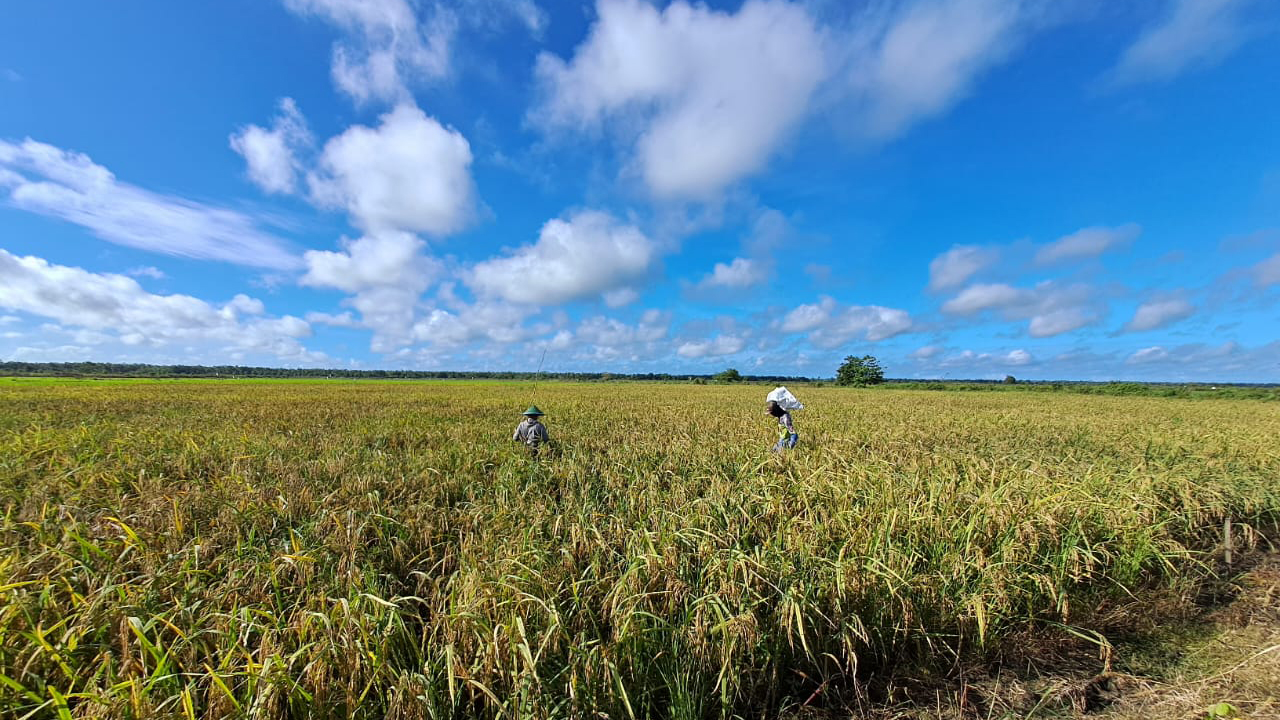
Our approach to R&D into the use of biochar in agriculture is hyper-localised to find solutions that address regional challenges. In Indonesia we’re exploring how biochar can help reverse declining rice yields and in the United Arab Emirates we’re looking at how it can enable arable farming in desert conditions to improve domestic food security.
We’re also working to identify policy levers that can accelerate biochar adoption in agriculture and scale its impact globally.
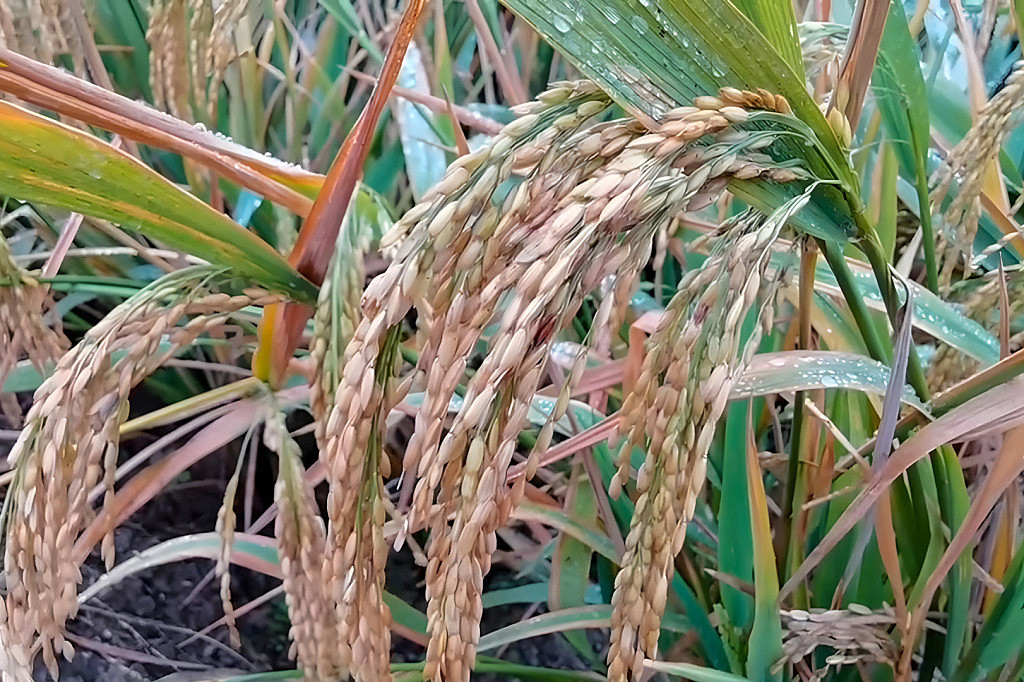
35.71%
increase in the number of panicles (reproductive structures) per rice plant
Using biochar to improve rice yields in Indonesia
We’re working with partners in West Papua to test how biochar can revive degraded land for rice farming and reduce pressure on forests.