Building partnerships that grow into profitable environmental projects
Tackling environmental challenges at scale requires more than just ambition. Many promising solutions struggle to move beyond the pilot stage, often because they lack the partnerships, commercial foundations and long-term collaboration needed to grow.
At A Healthier Earth (AHE), our partnership approach is built on a simple principle: creating value for everyone involved. The strongest partnerships bring together organisations with different strengths and a shared incentive to succeed.
AHE acts as the connector between industry, research institutions and the public sector to turn environmental challenges into opportunities for innovation. By testing solutions in real-world environments and creating the commercial foundations for growth, we help promising ideas move beyond trials and into practical, scalable applications that deliver environmental and economic value.
Starting with a real-world challenge
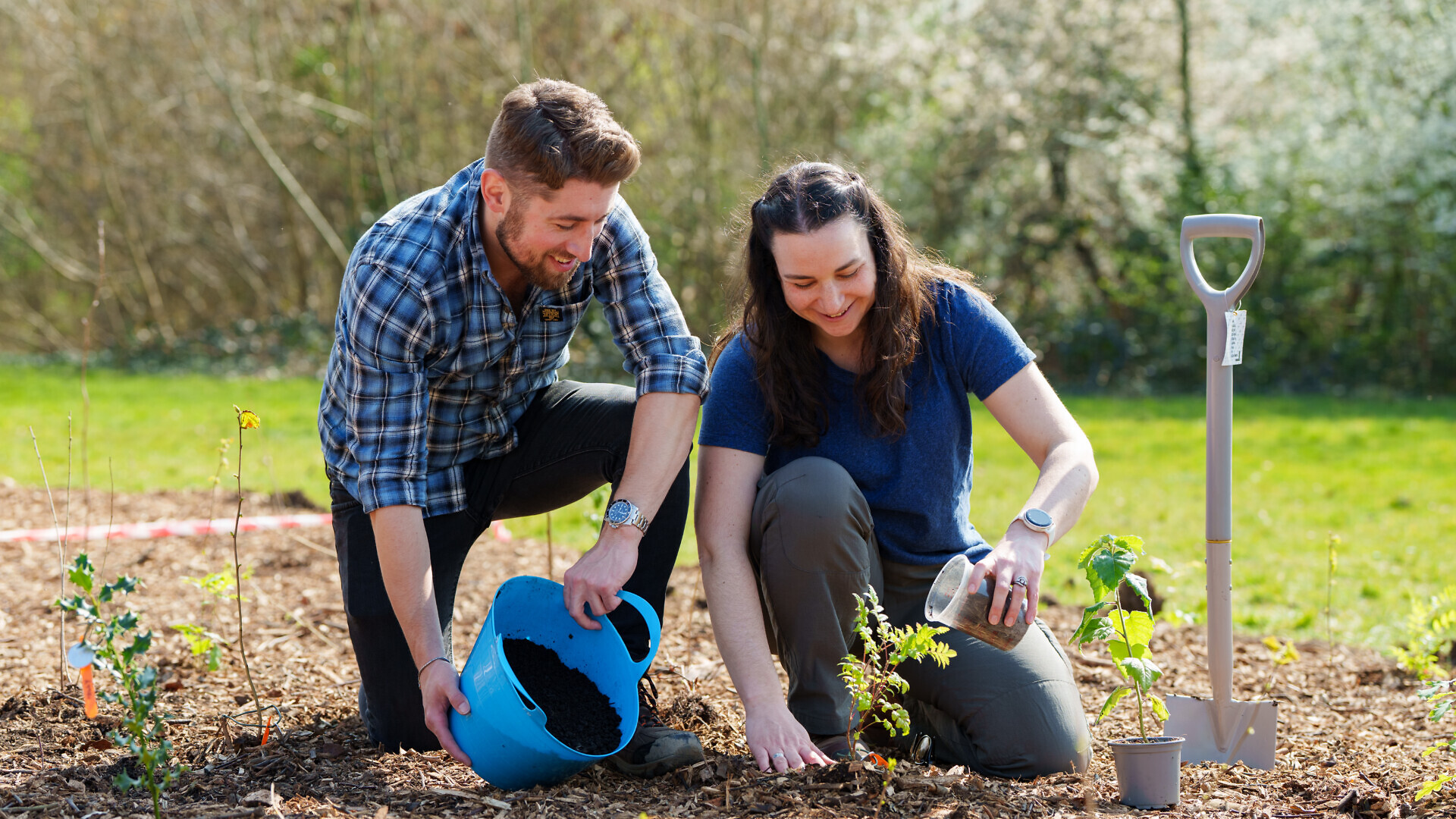
The most successful partnerships start with a problem that actually needs solving – that was the case for our partnership with Blenheim Palace. The forestry team came to us facing a challenge that has become increasingly common across the sector: low tree survival rates caused by drought, changing soil conditions and poor-quality nursery stock. In some areas, up to 90% of newly planted saplings were dying in the first year, undermining reforestation efforts and increasing costs.
This isn’t just a challenge for Blenheim. Across the UK, foresters and landowners are grappling with rising tree mortality while trying to meet ambitious woodland creation targets.
Together, our teams set out to develop a new approach. Combining our climate technology and R&D expertise with Blenheim’s forestry and estate management knowledge, we created ForestFactory® – an integrated solution that combines vertical farming, soil amendments and tailored growing recipes to produce stronger, faster-growing and more resilient trees.
Over the past three years, the partnership has evolved from an idea into a large-scale testing and deployment programme. Our science and commercial teams work closely with Blenheim’s forestry division to operate two state-of-the-art labs that undertake experiments and produce saplings year-round. Results have shown that ForestFactory® saplings grow four times faster than nursery-grown equivalents, while developing improved durability and survivability characteristics. The partnership supports Blenheim’s estate forestry programme while generating insights that will help tackle tree mortality across the wider forestry industry.
What began as a challenge for one estate has now become a solution for forestry organisations across the UK.
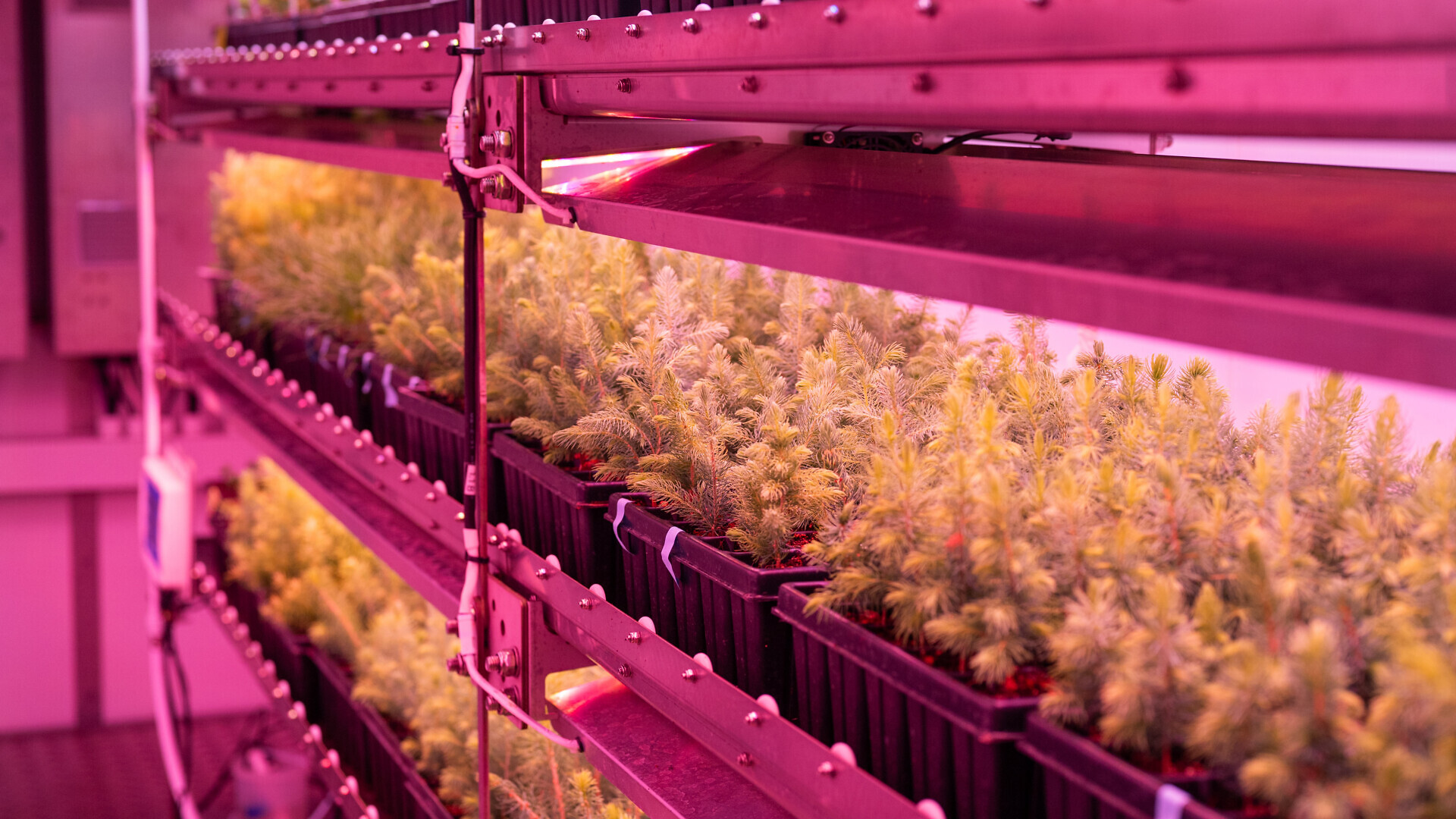
Sitka spruces growing in our ForestFactory® at Blenheim Palace
Bringing together expertise for agriculture and climate innovation
No environmental challenge can be solved by a single organisation. Bringing new ideas and products to market requires scientific expertise, commercial capability, access to customers and independent validation. Effective partnerships bring those strengths together around a shared goal.
This principle sits at the heart of our work with Cefetra, Biochar Innovations, the UK Agri-Tech Centre and the UK Centre for Ecology & Hydrology (UKCEH). Together, the consortium secured £1.34 million from DEFRA’s Farming Innovation Programme, delivered in partnership with Innovate UK, to develop a new low-carbon fertiliser for UK cereal farming and create a high-impact use case for biochar.
The project combines expertise from across the agricultural value chain. Cefetra brings direct relationships with farmers and route-to-market capability. AHE contributes commercial-scale biochar production and carbon removal expertise. Biochar Innovations provides product innovation, while research partners help validate performance and ensure robust scientific assessment.
We’re developing a lower-cost, lower-carbon alternative that will help farmers reduce nitrogen use, improve soil health, lower emissions and create new revenue opportunities. Just as importantly, it is establishing a significant new commercial use case for biochar within mainstream agriculture.
This is a powerful example of what can happen when organisations combine complementary expertise. By aligning scientific research, commercial delivery and market access, the partnership is creating benefits far beyond the original scope of the project.
Creating commercial pathways to scale
Successfully proving an environmental innovation is only part of the challenge. Long-term impact depends on creating real demand and commercial routes to adoption. Our partnership with living wall specialist Viritopia shows how collaboration can unlock entirely new markets for environmental technologies.
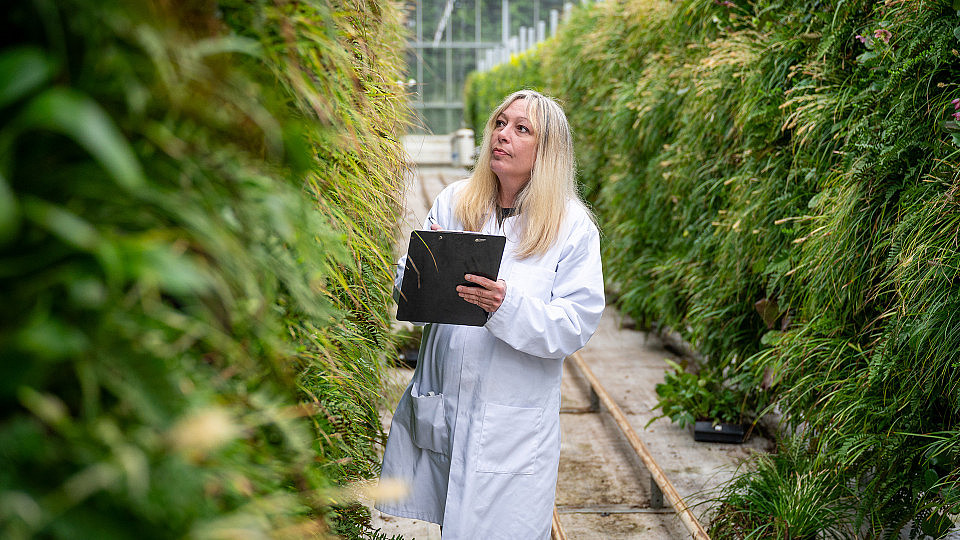
Viritopia was appointed by Pure Data Centres Group (Pure DC) to deliver one of the world’s largest living walls at its Brent Cross campus. For the past three years we have worked together to explore whether biochar could be incorporated into the wall’s growing substrate, using its water-retention properties to improve performance and reduce resource use.
Through extensive testing, we have demonstrated that biochar-enriched growing media could reduce water demand by up to 60% compared with conventional systems, helping address one of the biggest operational challenges associated with large-scale living walls.
The result is a 7,400-square-metre living wall containing more than 750,000 plants that will improve biodiversity, support urban greening, reduce noise pollution and enhance air quality around the data centre. The collaboration has also established a new commercial application for biochar. Following the success of these trials, Viritopia has requested that our biochar substrate solution be integrated into future living wall projects, while interest from horticultural suppliers is opening up further opportunities.
It demonstrates how partnerships can do more than validate an idea. They can create entirely new markets, helping environmental innovations move from niche applications to widespread adoption.
Turning partnerships into scalable, commercial solutions
Looking across these partnerships, there is a purposeful common pattern. The most successful environmental projects connect a real-world challenge with expert organisations to create a clear pathway to scale and adoption.
At AHE, we specialise in making those connections. We identify opportunities, build partnerships around shared value, and help create the commercial foundations that allow environmental innovations to scale. From forestry and agriculture to major infrastructure projects, our focus is turning promising ideas into solutions that deliver lasting environmental and commercial impact.
Got a challenge that needs solving or an innovation that needs testing? Contact our team to speak to one of our experts.
Related content
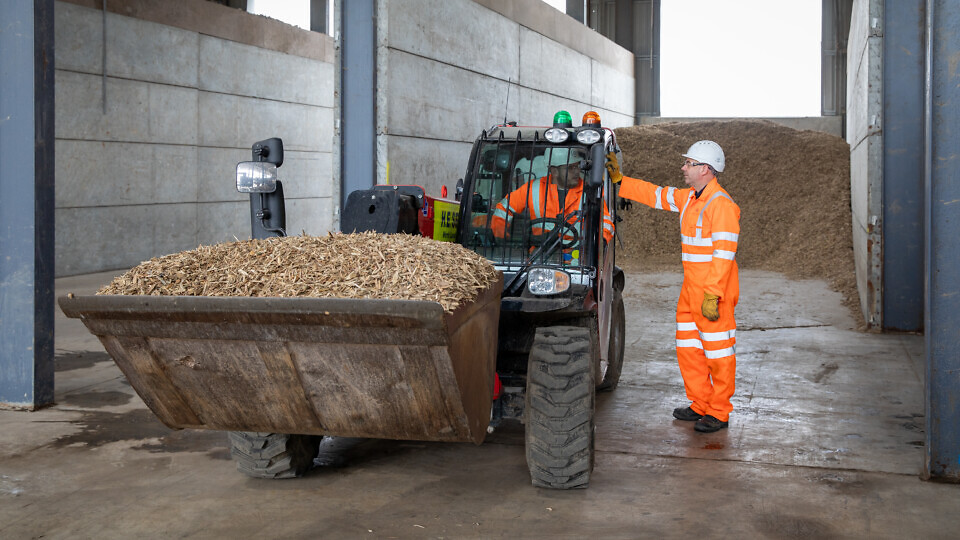
Biochar's quiet bottleneck isn't demand, it's feedstock
Learn more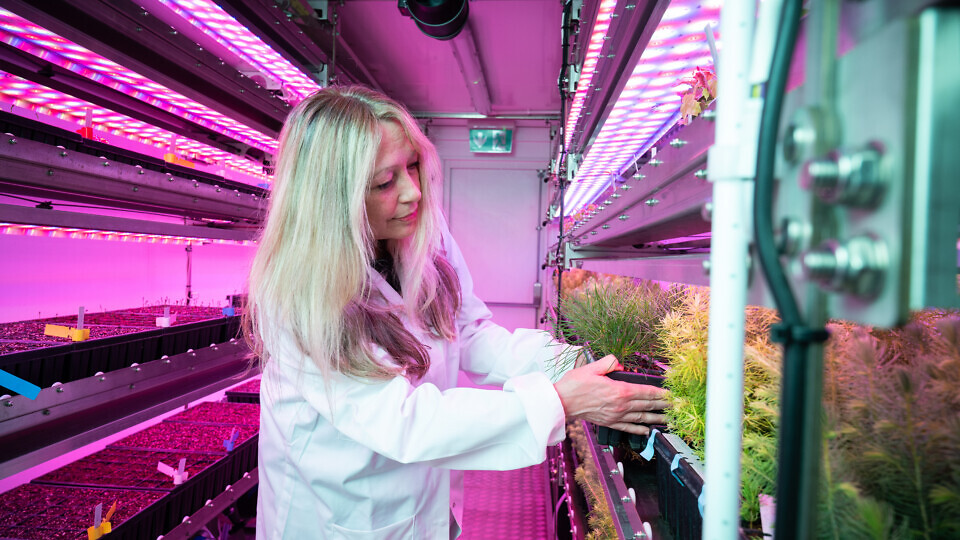
The future of biochar CDR depends on credible, science-led applications
Learn more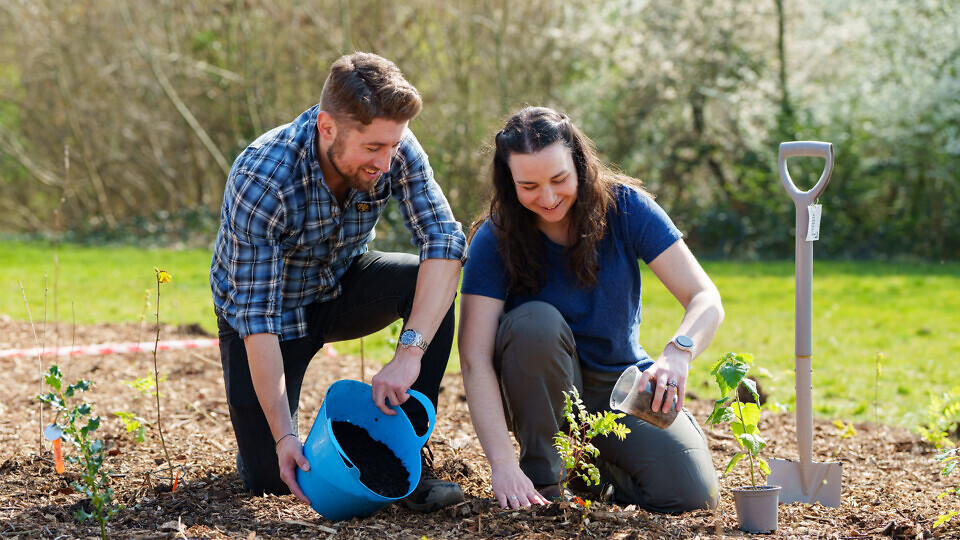
Building partnerships that grow into profitable environmental projects
Learn more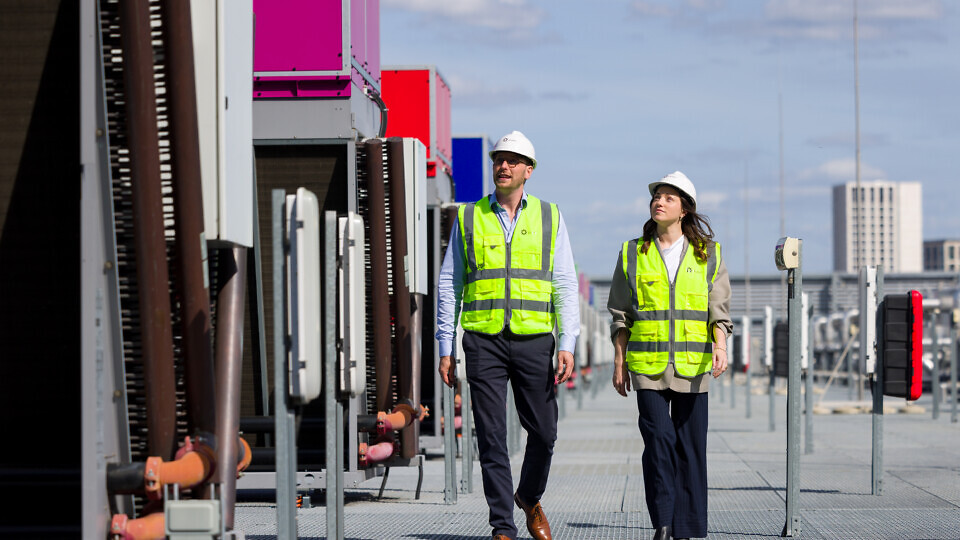
The three rules of building a bankable CDR market
Learn more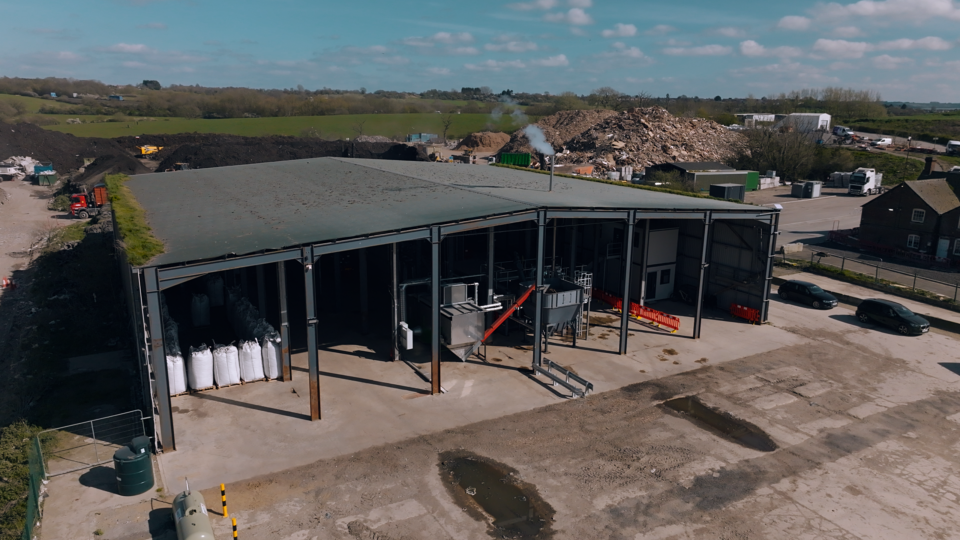
Pure DC’s A Healthier Earth Subsidiary Launches World’s First Integrated Carbon Removal Platform from the Data Centre Sector
Learn more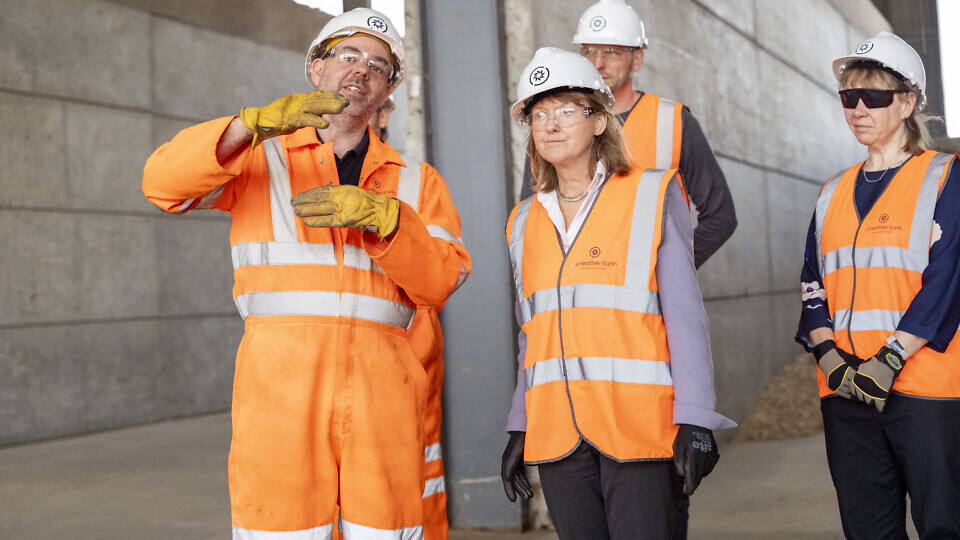
MP visits A Healthier Earth’s PureBiochar facility in Royal Wootton Bassett
Learn more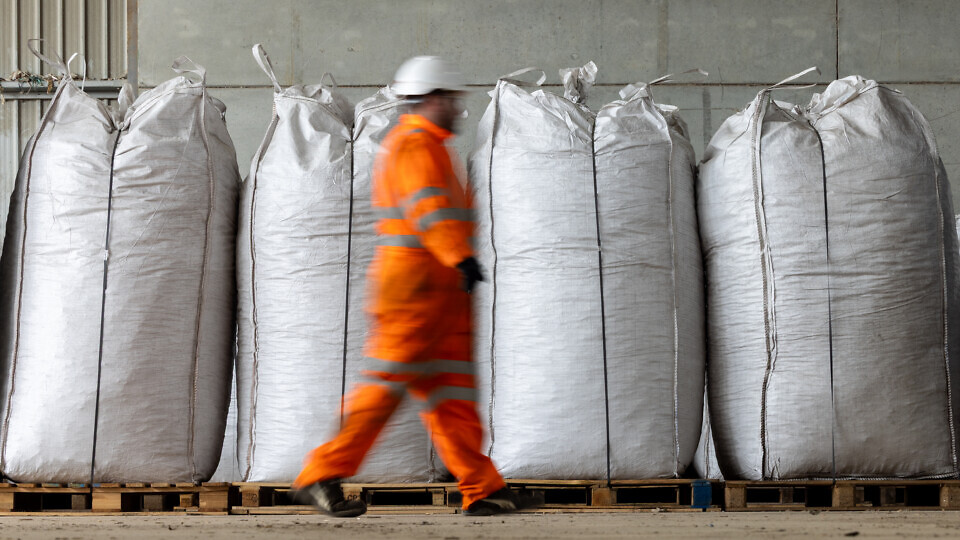
The UK’s largest biochar production facility driving carbon removal at scale
Learn more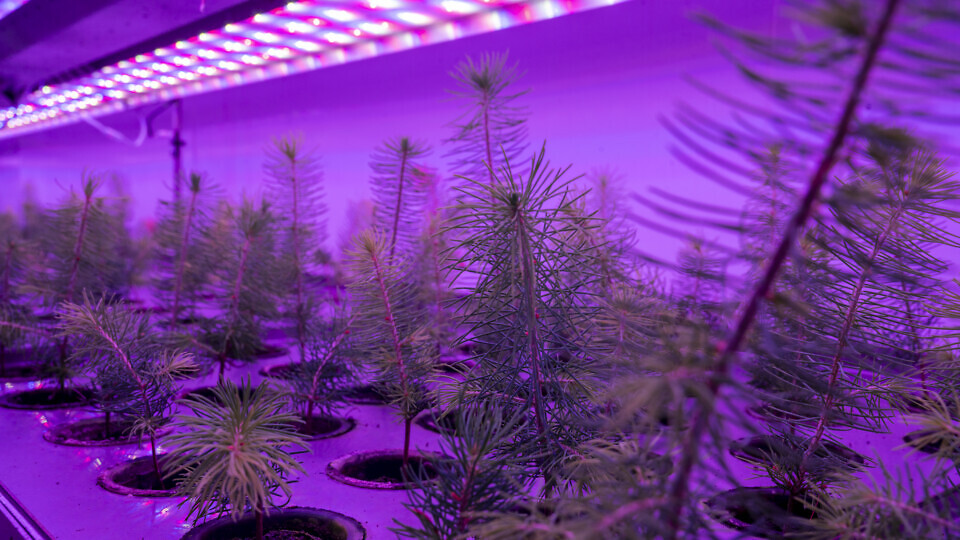
ForestFactory® is featured on BBC Countryfile at Blenheim Palace
Learn more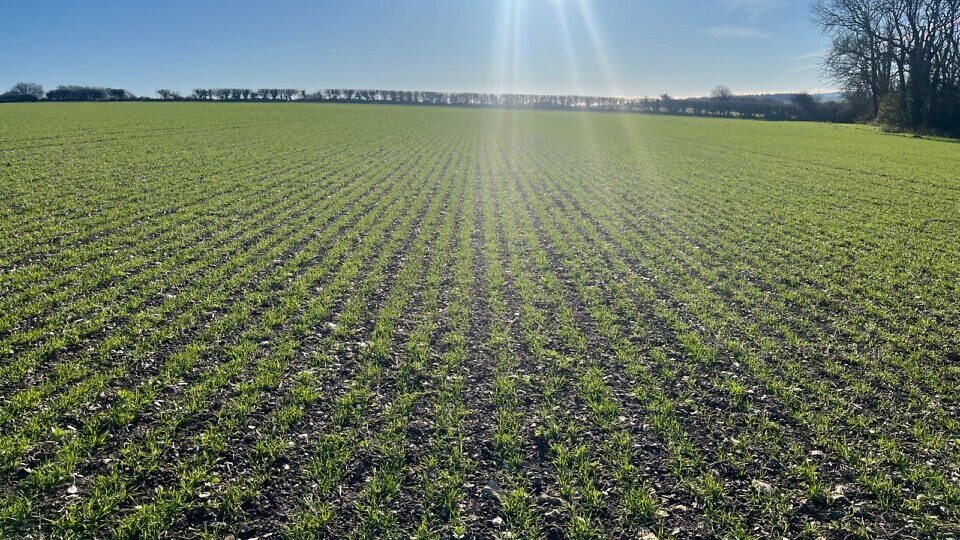
A Healthier Earth and Cefetra secure £1.34m DEFRA grant to develop biogenic low carbon fertiliser for UK farmers
Learn more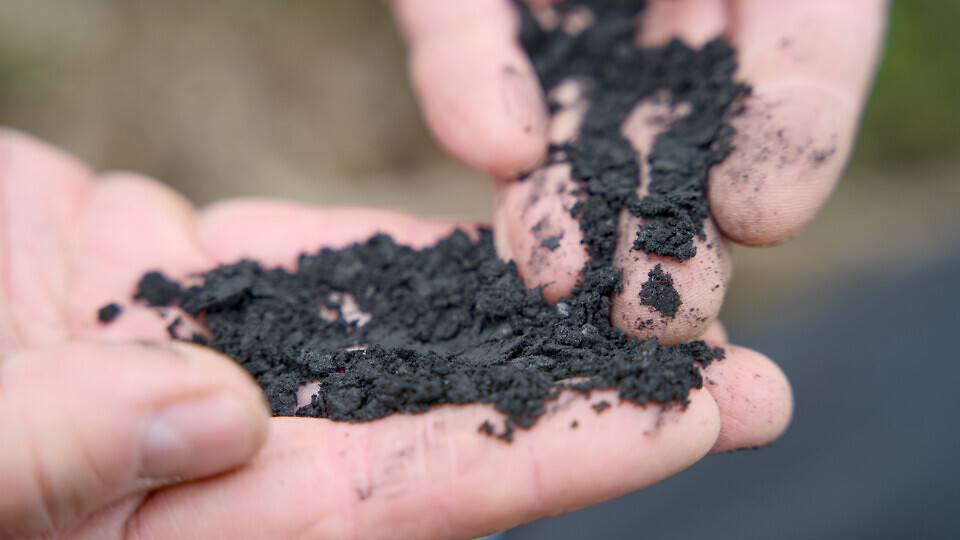
The Biochar Blueprint: A developers guide to scale
Learn more