The future of biochar CDR depends on credible, science-led applications
Biochar has enormous potential as a carbon removal solution that could aid in stabilising earth’s climate, but we need to scale its production to make this possible. Scaling requires being able to finance the infrastructure and people that produce it, and the ability to do this depends on biochar sales and carbon credit markets.
However, the ability of biochar to store carbon will not, alone, create sales – there are no government subsidies for its production. However, biochar also offers benefits beyond carbon storage, with practical applications across soil and water systems, infrastructure and materials, creating additional routes to value that can help attract investment and support scale-up.
Successful scaling will ultimately be determined by robustly demonstrating where biochar can help solve real-world challenges and create value for the industries and communities that want to use it.
This is where science comes in. Building that confidence requires a clear understanding of where biochar works best, how it does it, and the outcomes it can deliver in practice. Measurements of its effects and analysis of replicated data to determine the statistical validity of these are at the heart of our science.
At AHE, our approach to biochar use cases is partnership-led. We bring together the organisations, expertise and resources needed to move ideas from concept to implementation, connecting researchers, industry partners and end users around shared challenges and opportunities. Promising applications are shaped by practical needs from the outset, giving a clear path towards scalable adoption.
As Lead Scientist, my role has been to understand where biochar can create the greatest impact, from improving agricultural productivity and forestry outcomes to supporting urban regeneration. I work closely with colleagues across our research, commercial and delivery teams, alongside external partners, to generate robust evidence under real-world conditions.
By combining scientific rigour with practical implementation, we can identify the applications with the greatest potential to drive both carbon removal and wider climate, environmental and economic benefits.
Why do use cases matter?
Under leading biochar carbon credit methodologies (that help finance scale-up), biochar must be put to a beneficial use that supports long-term storage.
The growth of the carbon credit market is therefore ultimately tied to the growth of the applications market, but long-term adoption depends on whether biochar creates value for end users. For farmers, foresters and infrastructure developers, applications need to improve outcomes in ways that are commercially and operationally meaningful.
Scientific research, combined with commercial insight, is already revealing where biochar delivers the greatest practical value, including several AHE projects with promising results across agriculture, forestry and urban regeneration.
Agriculture
Agriculture is under pressure from two directions: it must continue to feed a growing population while adapting to the impacts of climate change and reducing emissions. We work with partners to develop local solutions which help reduce agriculture’s impact on land and water systems, while researching how biochar can increase yields and/or reduce unsustainable fertiliser use, and still be profitable for farmers.
Restoring degraded land through international field trials
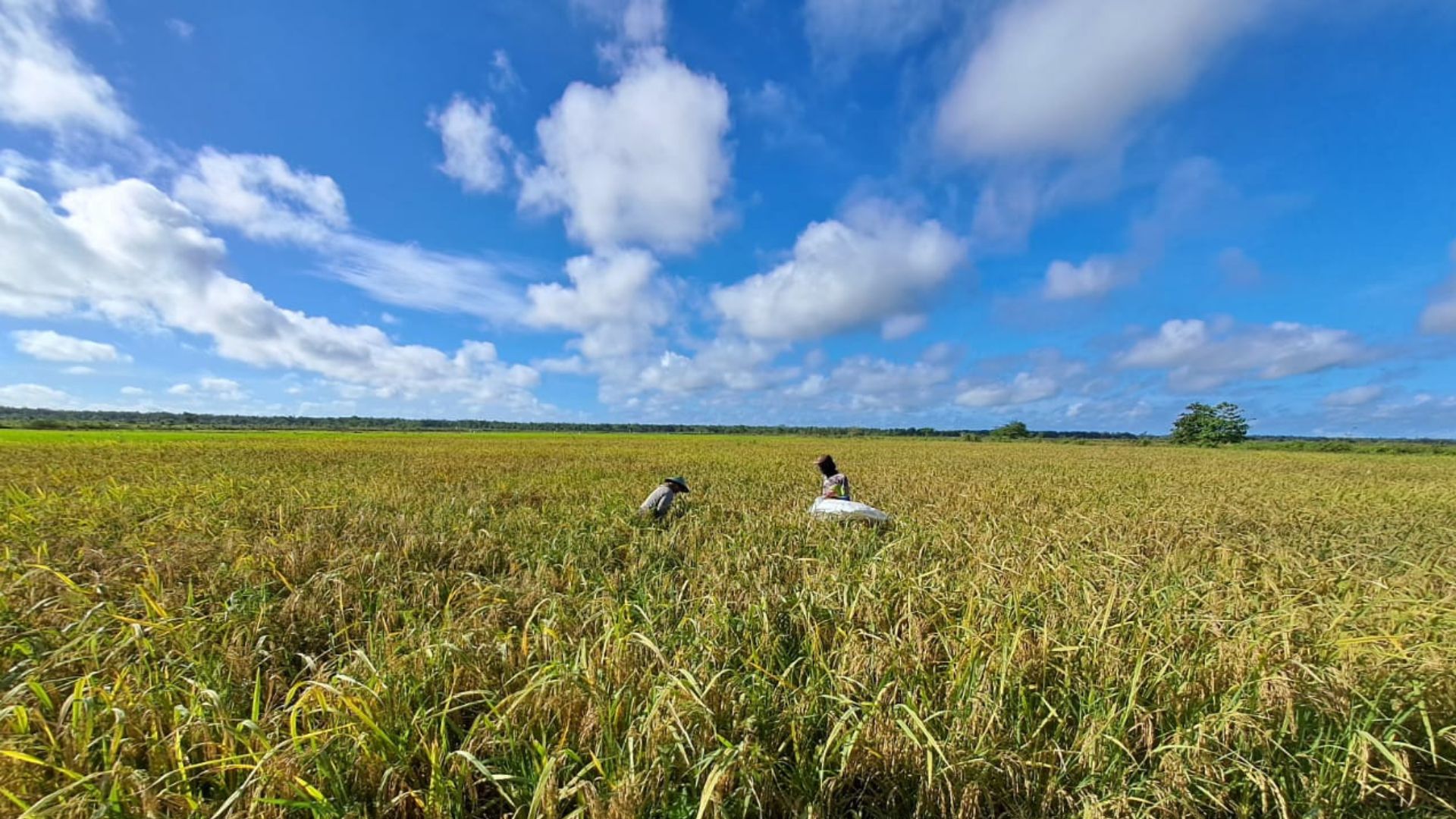
Since 2025, we have conducted agricultural field trials on paddy rice in West Papua, Indonesia, an area with very low rice yields compared with other regions, as soils are nutrient poor with low levels of organic matter.
Together, we’re working with local farmers and Musamus Merauke University to test how biochar can improve this degraded/marginal land so that it can be used for cropping and lead to reduced pressure on forests, whilst reducing reliance on fossil-based fertilisers.
Early results show significant effects on plant development, even when the crop is only supplied with half of its usual quota of fertiliser. Biochar caused the rice seedlings to accumulate more nitrogen in their leaves, grow faster and increase the number of tillers (stems) and panicles (flower-bearing structures) per rice plant by over 35%.
We’re now exploring its potential to boost grain yield at field scale, reduce fertiliser use, and cut methane emissions. We are working with local farmers in the area and using the equipment that they already have on farm, making biochar a realistic opportunity for them. They will also be assessing the longer-term effects of biochar on the land to see how often it needs to be reapplied.
Trials in different climates, soil types and crops are essential for understanding where biochar performs best. Building that evidence base takes time, but it’s critical if biochar is to become a trusted tool across global agriculture.
Building a lower-carbon fertiliser for UK cereals farming
Nitrogen fertilisers remain one of the largest sources of agricultural emissions, and they are also costly to purchase. However, for cereal farmers, reducing emissions cannot come at the expense of productivity or profitability.
This sits at the heart of our partnership with Cefetra, the UK AgriTech Centre and the UK Centre for Ecology & Hydrology (UKCEH). Together, we were awarded £1.34 million through the Department for Environment, Food & Rural Affairs (DEFRA) Farming Innovation Programme, delivered in partnership with Innovate UK.
Our project focuses on developing a biochar-based fertiliser designed to help cereal farmers maintain yields while reducing nitrogen use and improving soil health. Having a fossil-free UK-produced fertiliser will also allow farmers to avoid the rocketing inorganic fertiliser prices caused by low availability resulting from current global conflicts.
Original trials with Biochar Innovations indicated a 23% reduction in applied nitrogen with no loss of yield, alongside potential value from nitrogen avoidance and carbon credits. We are now trialling these new formulations on wheat in field plots and controlled environments, and full-scale farm-based trials will commence in the coming months.
Forestry
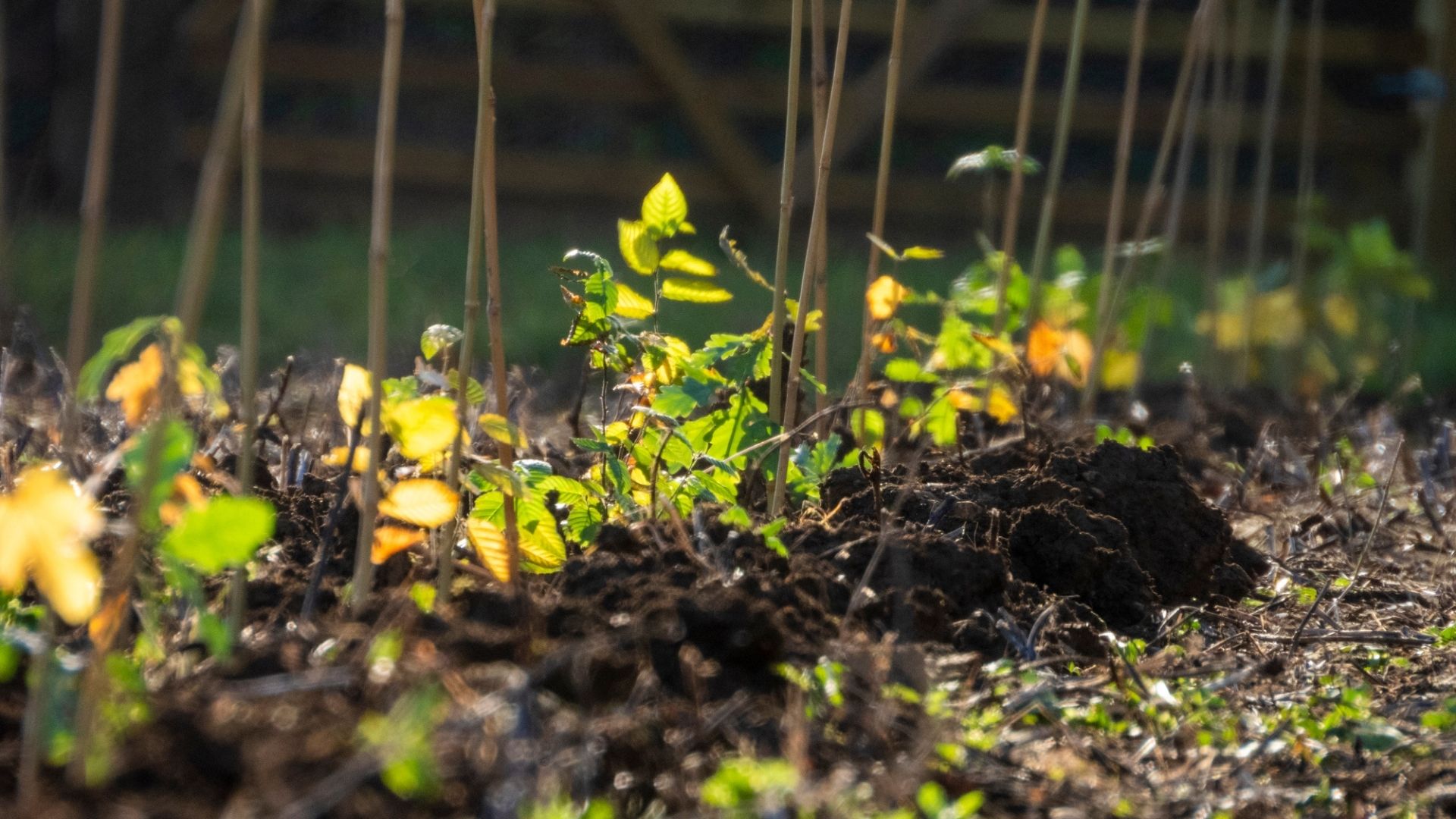
Trees are critical to climate resilience and carbon sequestration, but reforestation efforts are being tested by worsening growing conditions. In the UK, woodland creation rates are currently only around half the government’s annual 30,000-hectare ambition, while rising tree mortality, drought, shorter planting windows and degraded soils are making it harder to plant successfully at the pace required. Forestry teams need greater certainty that the trees they plant can establish successfully and thrive.
Scaling tree planting through ForestFactory®
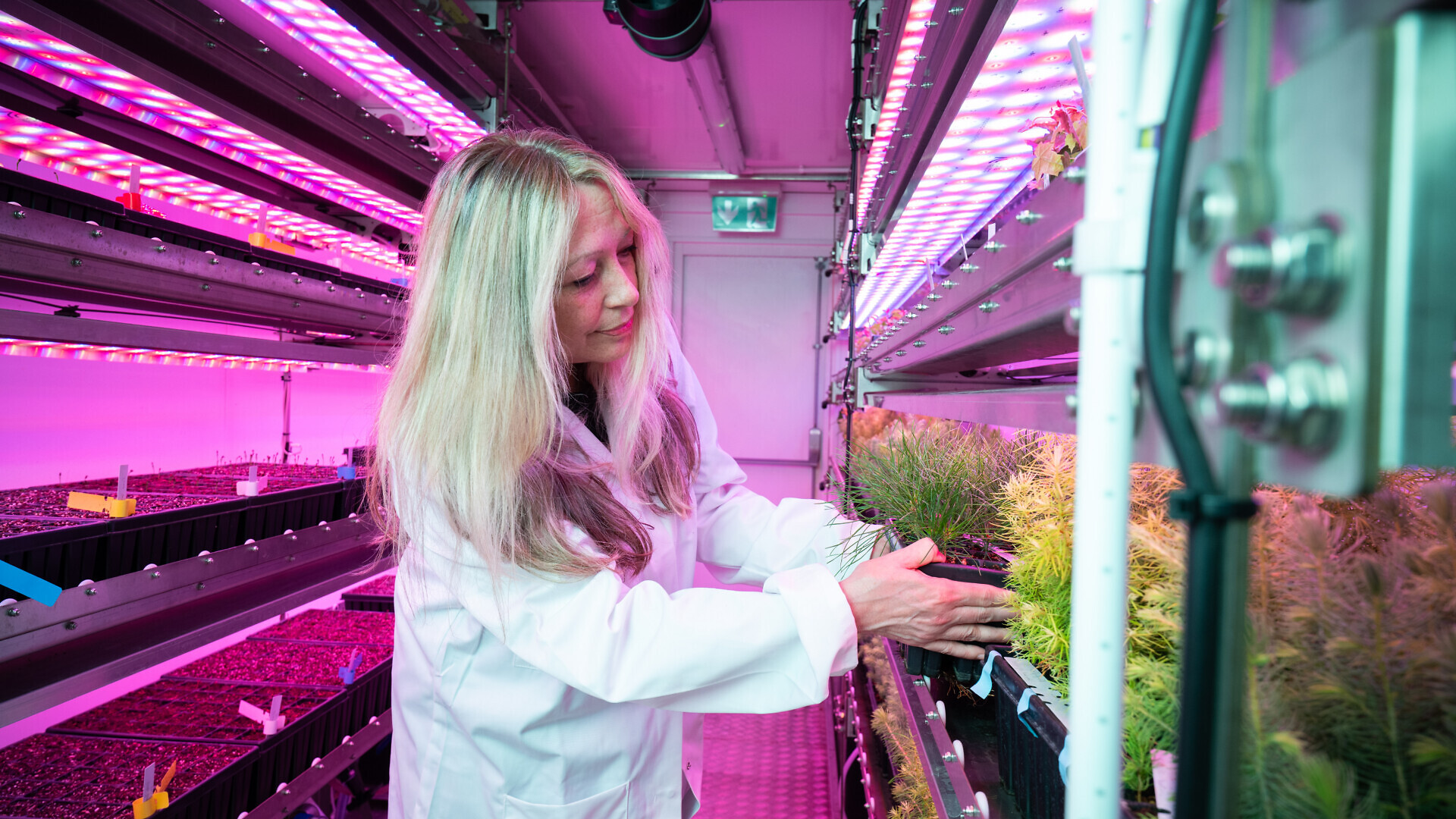
ForestFactory®, developed by AHE in partnership with Blenheim Palace, uses vertical farming to produce high-quality tree seedlings for the estate, and we are adding biochar at planting. Our partnership with Blenheim began in 2023 with the practical challenge of combatting seedling mortality.
Like many forestry teams across the UK, Blenheim Estate’s tree survival rates were under pressure from increasingly difficult growing conditions, caused by drought and changing soil health. For the past several years, we have worked closely with Blenheim through a dedicated ForestFactory® R&D facility on site.
We have been planting seedlings of a range of broadleaf species at sites around the estate, with and without biochar added to the soil. We have been measuring differences between tree characteristics, and early indications are that some species benefit by growing faster in terms of both height and stem diameter. This is likely to be a result of several effects that biochar can have on soils: water and nutrient retention around tree roots, and accumulation of beneficial microorganisms.
Early results from trials testing effects of biochar on seedling growth with and without biochar, and with and without a microbial preparation, show best growth in the treatments containing both biochar and microbes.
Urban Regeneration
Urban areas are on the frontline of climate change, facing growing risks from drought, flooding, overheating, pollution and biodiversity loss, while often lacking the green spaces needed for climate resilience and community wellbeing. Biochar can therefore be particularly valuable for improving soil structure and water retention here, as urban environments are typically characterised by compacted, low-quality soils.
At AHE, we support councils and local communities with urban regeneration by creating diverse green spaces that help them adapt to the realities of a changing climate. We take a highly localised approach, working in partnership with local authorities, recognising that every urban environment is different, and with experts and NGOs to co-develop solutions tailored to the specific needs of each community.
Creating urban forests in Barnet
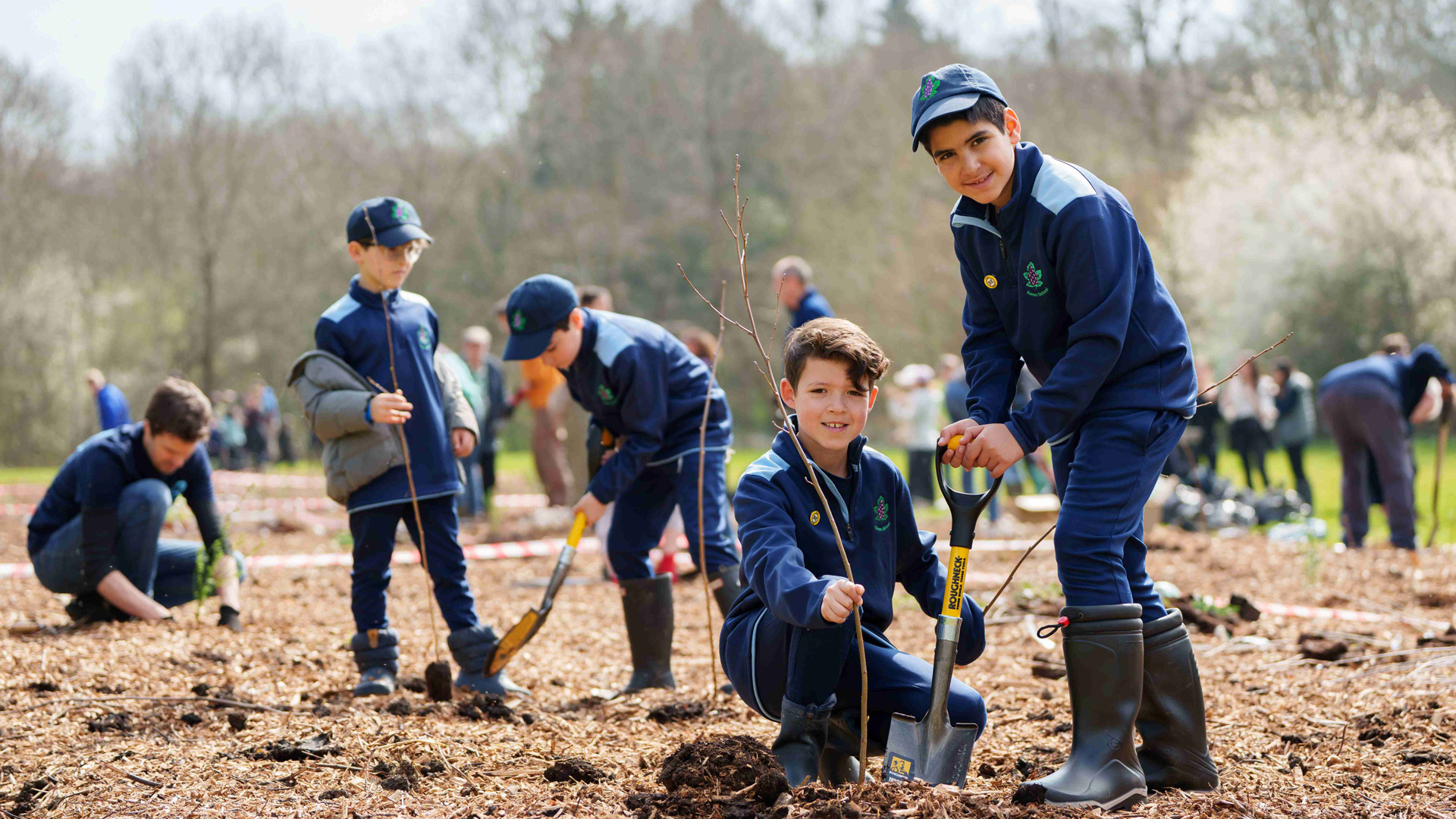
In Barnet, North London, we’ve helped establish urban forests by planting trees grown at our ForestFactory® in biochar-enhanced soils, through a partnership with Earthwatch Europe and Barnet Council.
The project supports urban greening by improving tree establishment in challenging environments. The trees were planted by the local community, and citizen scientists from Earthwatch. We have since measured growth and biodiversity as the forests developed. We found that trees planted in biochar plots grew fastest in terms of height and stem diameter, compared to those planted in plots without biochar (see report here: Earthwatch Europe).
This highlights the ability of biochar to improve tree performance in urban settings, particularly as these forests were planted in early 2025 and have experienced both the 2025 and 2026 heatwaves and droughts.
Next, we are investigating the application of biochar to street trees planted in specialised tree pits, which are designed to allow tree roots to grow in urban settings. Projects like this show how carbon removal can be incorporated into community-focused initiatives that improve local environments while supporting climate resilience.
Building greener infrastructure
As cities continue to invest in climate adaptation measures to combat extreme weather, applications like biochar could become an increasingly important part of urban development.
We have partnered with leading living wall specialists Viritopia to conduct trials using biochar in the planting substrate to determine whether this can add benefits beyond carbon storage. We added biochar at a range of rates to replicated sections of a living wall containing 10 plant species in 2024. Incorporating biochar into the growing substrate reduced water requirements by up to 60% (see our publication), highlighting its potential to support more resilient and resource-efficient green infrastructure.
We are currently repeating the trial with peat-free substrates. As a result of this work, Viritopia will now use AHE’s biochar in one of the world’s largest living walls at Pure DC’s London data centre in Brent Cross. At completion, the living wall will house more than 750,000 plants. The project is designed to improve biodiversity, enhance air quality and help reduce noise pollution around the site.
Looking ahead: where biochar could go next
Our research into biochar applications is continuing well beyond agriculture, forestry and urban regeneration.
In construction, we are developing new trials exploring whether biochar can contribute to lower-carbon building materials, including concrete. In infrastructure, trials from Roadstone have shown that biochar can increase strength and rutting resistance in asphalt, raising the possibility of future applications in road construction.
We are also exploring the application of biochar in SuDs (sustainable drainage solutions), with trial protocols already developed. Next, biochar is being trialled in bioplastics as a renewable, carbon-rich filler that can improve material properties.
While many of these applications are still at an early stage, they show the breadth of opportunities that AHE are exploring across multiple sectors.
Building the evidence for scale
Biochar carbon removal will only achieve meaningful scale if it creates value alongside carbon storage. The evidence emerging from across diverse sectors shows that potential is real, but proving where, when and how biochar works remains essential.
The future of biochar will not be built on promise alone. It will be built on evidence, partnerships and applications that solve real-world problems at scale. That’s the work we’re focused on at AHE.
Related content
Why we treat biochar as infrastructure investment
Learn more
Biochar's quiet bottleneck isn't demand, it's feedstock
Learn more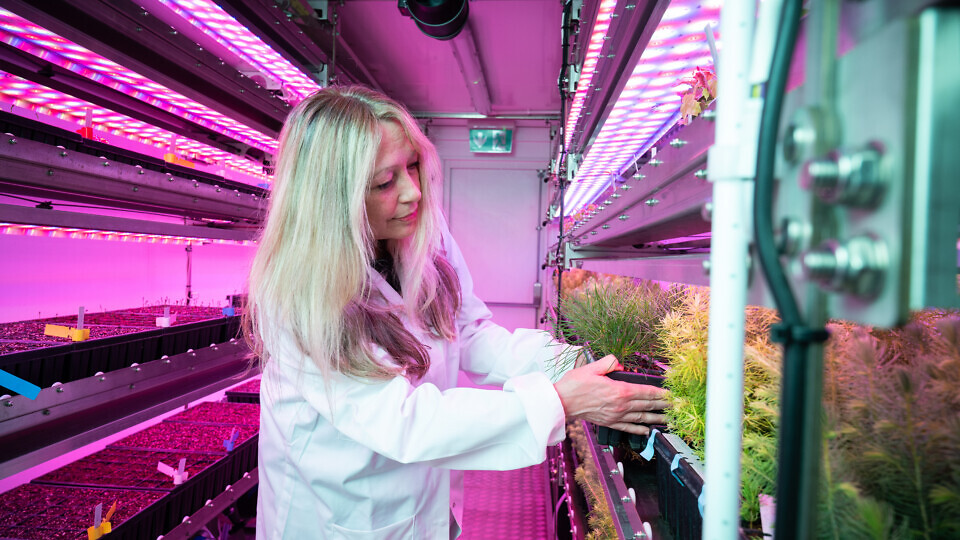
The future of biochar CDR depends on credible, science-led applications
Learn more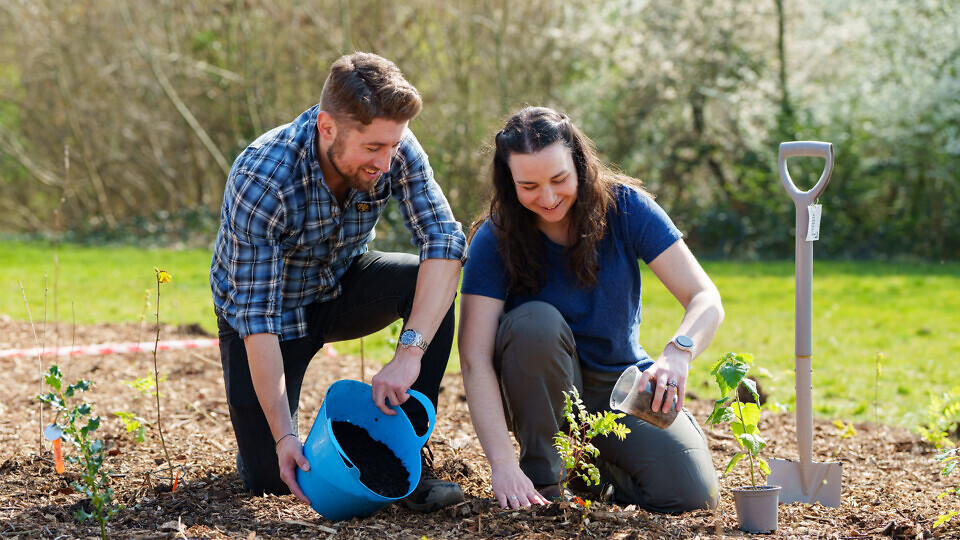
Building partnerships that grow into profitable environmental projects
Learn more
The three rules of building a bankable CDR market
Learn more
Pure DC’s A Healthier Earth Subsidiary Launches World’s First Integrated Carbon Removal Platform from the Data Centre Sector
Learn more
MP visits A Healthier Earth’s PureBiochar facility in Royal Wootton Bassett
Learn more
The UK’s largest biochar production facility driving carbon removal at scale
Learn more
ForestFactory® is featured on BBC Countryfile at Blenheim Palace
Learn more
A Healthier Earth and Cefetra secure £1.34m DEFRA grant to develop biogenic low carbon fertiliser for UK farmers
Learn more