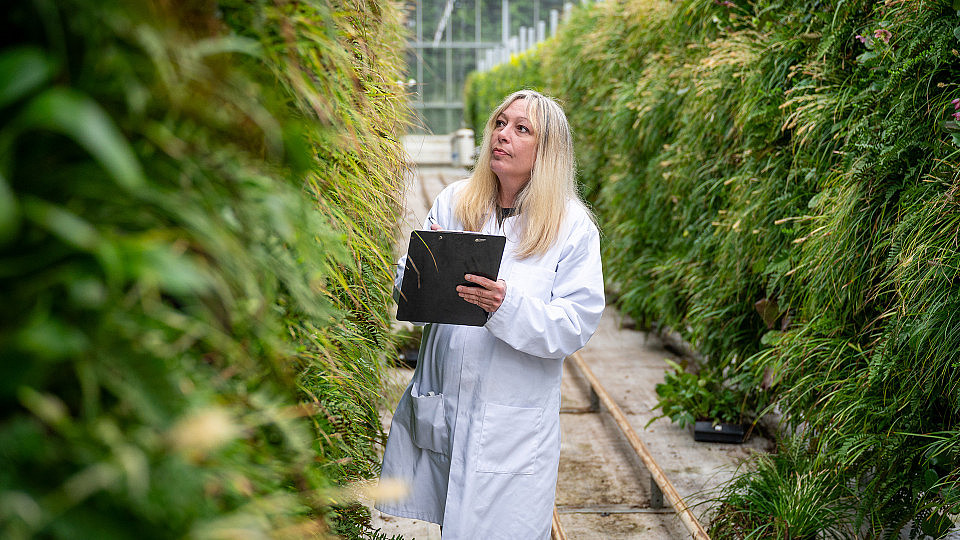
Biochar’s quiet bottleneck isn’t demand, it’s feedstock
Demand for durable carbon removal is growing rapidly. This year, leading net zero standard setter SBTi recognised the need for companies to address residual emissions alongside deep decarbonisation, a move likely to accelerate interest in carbon dioxide removal (CDR) solutions such as biochar. At the same time, buyers are moving quickly to secure supply. Recent market analysis found that 81% of high-quality biochar supply for 2025 had already been committed, highlighting the growing competition for durable carbon removals.
Capital deployment will be essential to that growth, and while the market is still relatively early, we are seeing real appetite from infrastructure-level investors for the right kind of projects. But feedstock is proving to be one of the foundations on which a financeable, high-integrity biochar market will depend.
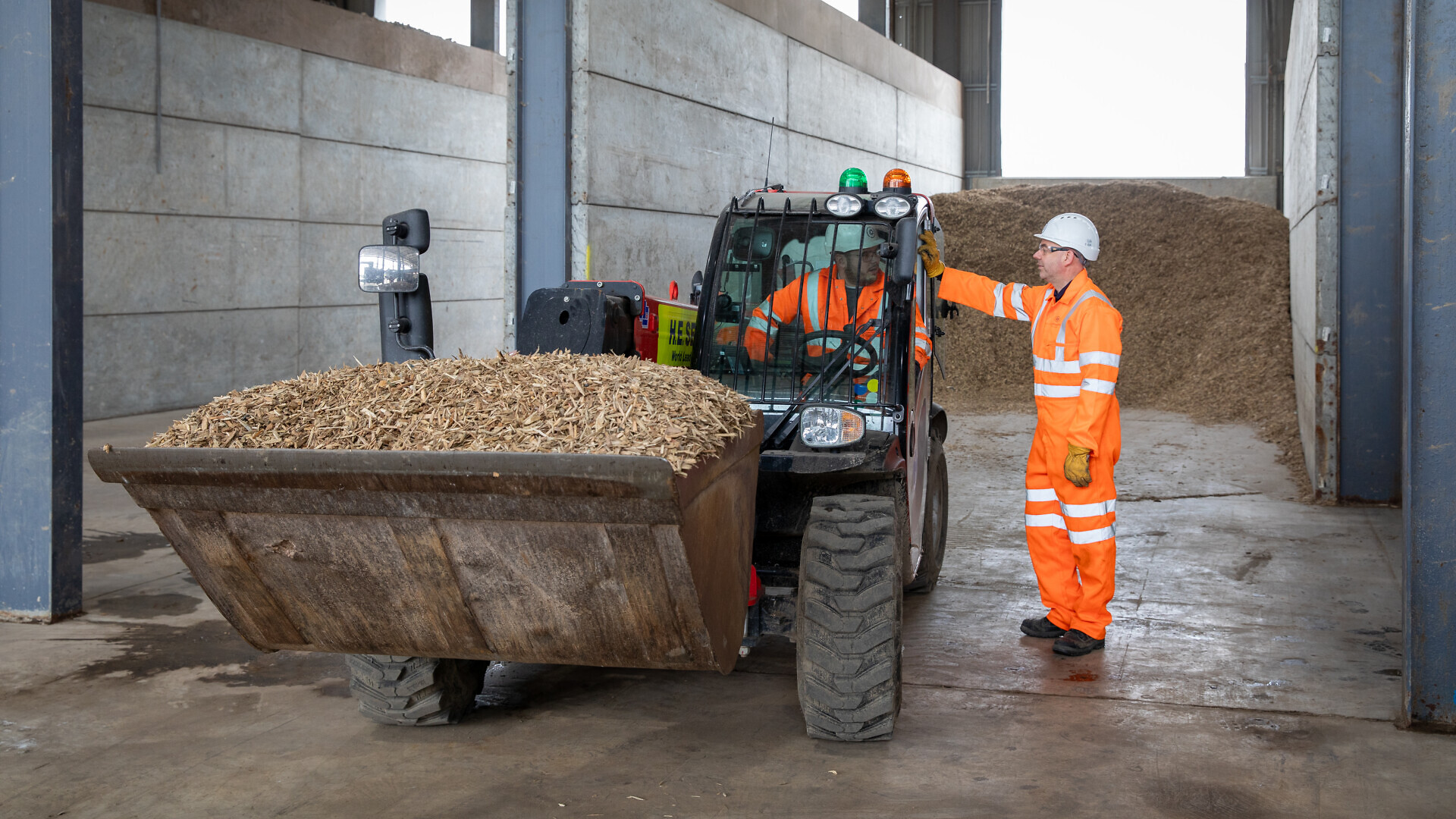
Every tonne of biochar starts with biomass. Without secure access to the sustainable, traceable and reliable feedstock projects need to operate at scale, they cannot scale credibly, no matter how strong buyer demand becomes.
At A Healthier Earth (AHE), rigorous feedstock assurance is a core component of our integrated biochar platform. We source biomass from reliable sources assessed against clear sustainability and governance criteria, helping to give buyers confidence in supply chain integrity and the quality of carbon locked away long term.
Why is feedstock one of biochar’s biggest scaling challenges?
At first glance, feedstock can appear straightforward. Find enough biomass, convert it into biochar, and scale production to meet demand. But volume is only part of the picture. The real challenge is securing enough sustainable biomass over long periods of time, while maintaining clear visibility over where it comes from, how it is sourced, and what wider impacts its use may create.
Unlike some other carbon removal pathways such as direct air carbon capture and storage (DACCS) and bioenergy with carbon capture and storage (BECCS), biochar relies on a continuous supply chain of biological material. Feedstock sources can vary over time, quality can fluctuate, and supply chains can become increasingly complex as projects scale.
As carbon removal markets mature, companies purchasing carbon removals want assurance that projects are delivering genuine climate benefit, regulators are asking tougher questions about sustainability and environmental integrity, and investors want confidence that potential feedstock constraints will not undermine long-term project performance.
As a result, feedstock is becoming much more than a procurement issue. It is emerging as a core determinant of project quality, scalability and bankability.
Why does feedstock governance matter for high-integrity biochar?
Biochar’s climate credentials depend not only on the carbon stored in the final product, but on confidence in the biomass that enters the system in the first place. Credits can only be considered truly high-integrity if there is confidence in the materials and supply chains underpinning them.
Reliable feedstock supply underpins everything that follows: operational performance, project economics, carbon removal volumes, credit integrity and investor confidence. Governance must therefore start with feedstock, building the right structures to understand where it originates, whether it comes from sustainable sources and whether increasing demand risks creating unintended consequences elsewhere.
This will become even more significant as the market expands. As buyers seek larger volumes of durable carbon removal, the ability to demonstrate robust feedstock governance is becoming as important as technology selection, financing structures or certification standards.
We believe long-term resilience comes from understanding not just where feedstock comes from today, but how supply chains can continue to support growth tomorrow. At AHE, we apply oversight to both feedstock source and scale, so supply chains remain robust as they grow.
How can robust feedstock systems support investor confidence?
The projects that can provide this level of confidence are likely to be best positioned for long-term growth. This perspective has informed our integrated platform approach. Rather than viewing feedstock sourcing, production, verification and carbon removal delivery as separate activities, we believe they must be designed as part of a connected system. Sustainable sourcing, robust governance and traceability should not be layered onto projects after the fact. They should be built into the foundations from the beginning.
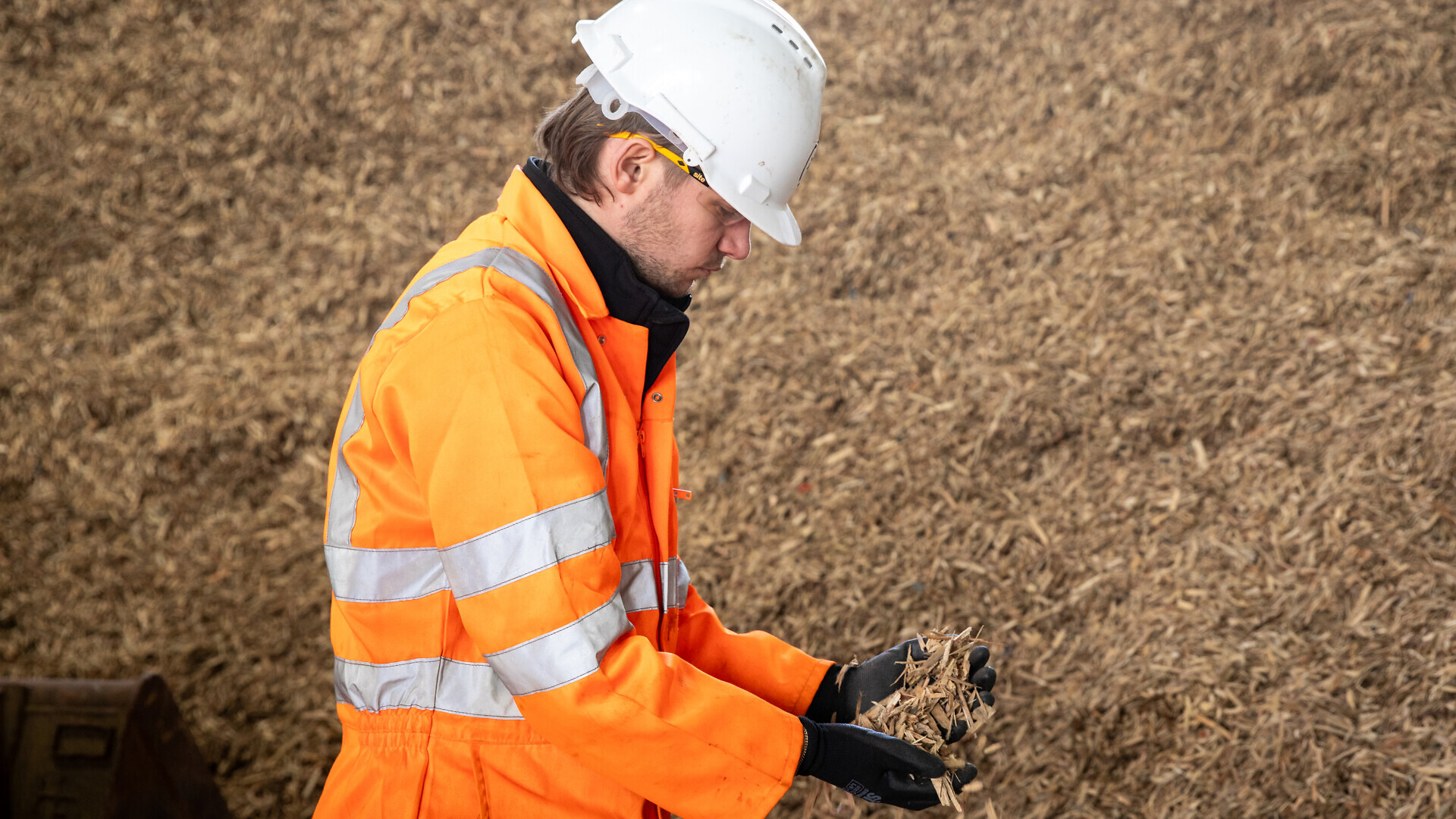
At our PureBiochar facility, all biochar produced is certified under the Isometric standard and supported by Mangrove Systems’ dMRV software. This provides audit-ready visibility across sustainable feedstock sourcing.
What will define the next phase of biochar scale?
The biochar industry has spent recent years proving that it can attract buyers, develop credible methodologies and begin establishing itself as a serious carbon removal pathway.
Those efforts are paying off. Demand continues to rise and investment interest is increasing, but the next phase of growth will require the industry to focus just as carefully on the physical foundations that make carbon removal possible.
The future of biochar will not be determined solely by who can attract capital or secure demand. It will also be shaped by who can build reliable, traceable and sustainable feedstock systems capable of supporting scale.
Related content
Biochar's quiet bottleneck isn't demand, it's feedstock
Learn more
The future of biochar CDR depends on credible, science-led applications
Learn more
Building partnerships that grow into profitable environmental projects
Learn more
The three rules of building a bankable CDR market
Learn more
Pure DC’s A Healthier Earth Subsidiary Launches World’s First Integrated Carbon Removal Platform from the Data Centre Sector
Learn more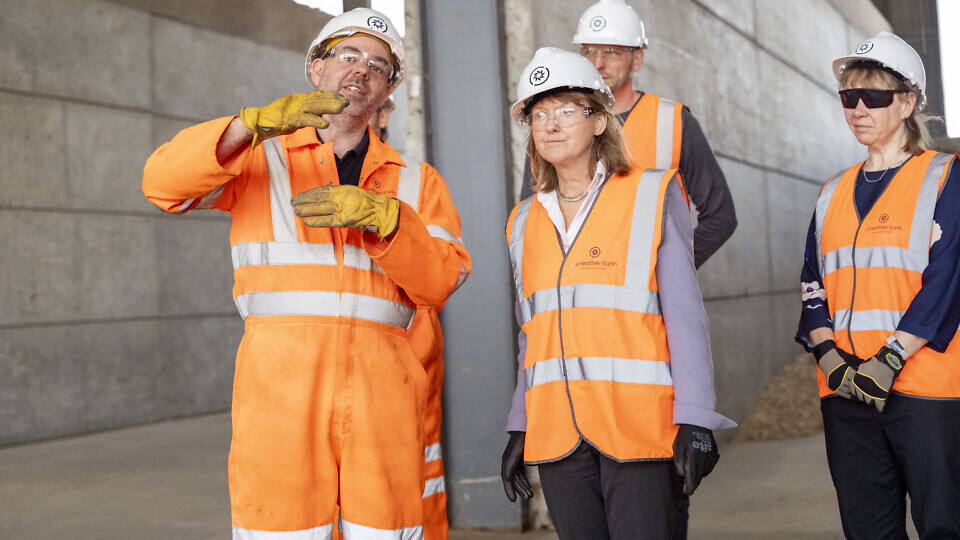
MP visits A Healthier Earth’s PureBiochar facility in Royal Wootton Bassett
Learn more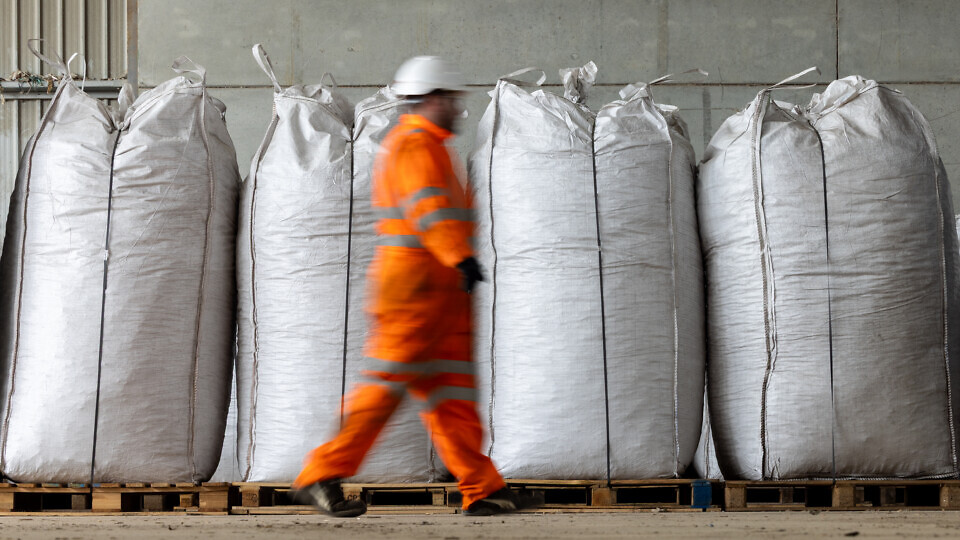
The UK’s largest biochar production facility driving carbon removal at scale
Learn more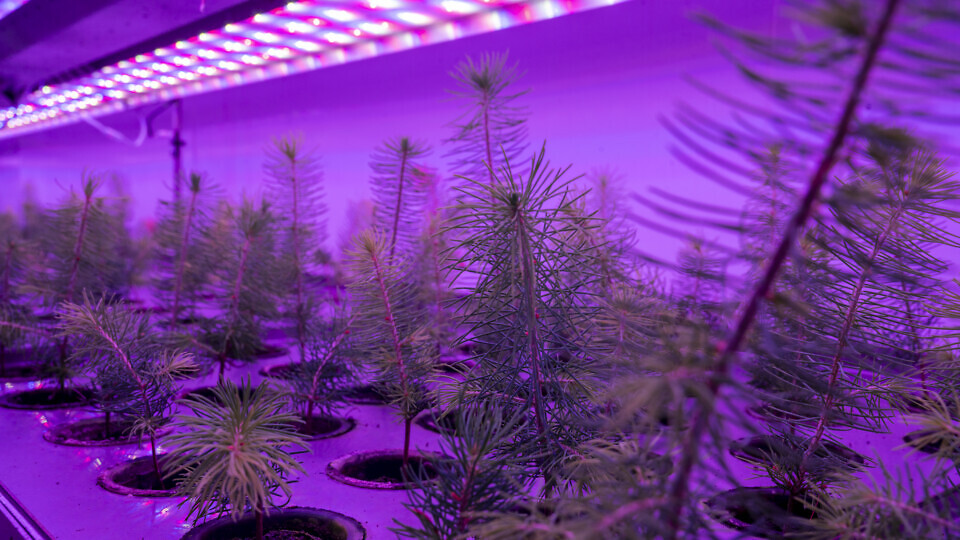
ForestFactory® is featured on BBC Countryfile at Blenheim Palace
Learn more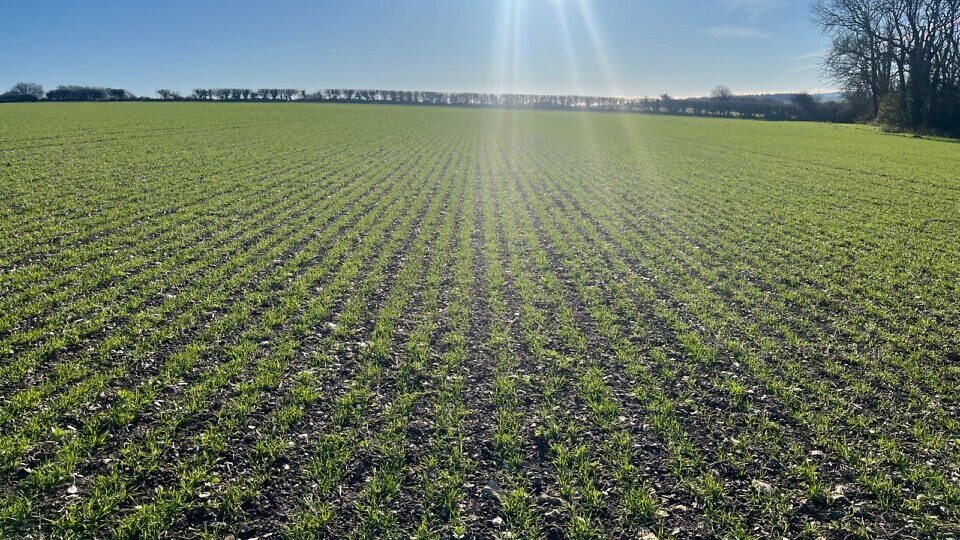
A Healthier Earth and Cefetra secure £1.34m DEFRA grant to develop biogenic low carbon fertiliser for UK farmers
Learn more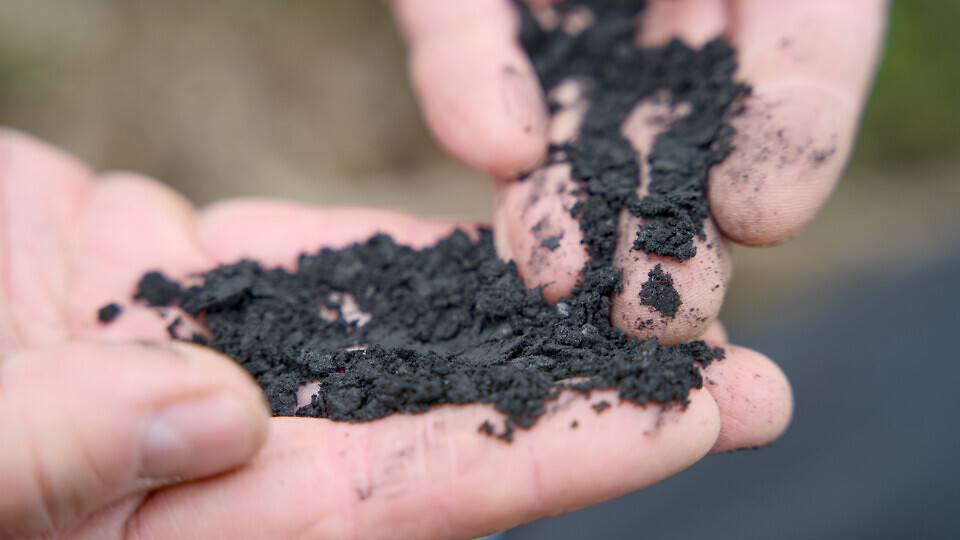
The Biochar Blueprint: A developers guide to scale
Learn more