Alternative energy
From replacing diesel with HVO to trialling biomethane, we are continually exploring alternative fuels to power our sites.

From Fossil Fuels to Future Fuels: How Data Centres Can Drive Energy Transition
In the race to net zero, the data centre industry faces a pivotal challenge: how do we meaningfully reduce emissions without compromising reliability? For years, diesel has been the default choice for backup and even temporary primary power. It’s reliable and readily available – but also deeply carbon-intensive.
At Pure DC, we asked ourselves a simple question: What if we could change that? Four years later, we’ve done more than ask. We’ve replaced fossil diesel with hydrotreated vegetable oil (HVO) at scale and are actively exploring other renewable energy alternatives. The results are clear: sustainable fuels can deliver reliability, scale and deep emissions cuts.
Turning ambition into action
Replacing diesel for HVO was one of the most important operational shifts we’ve made to date. Driven by data, performance and a long-term view of climate accountability, it was part of a strategic, operational commitment to eliminate Scope 1 emissions.
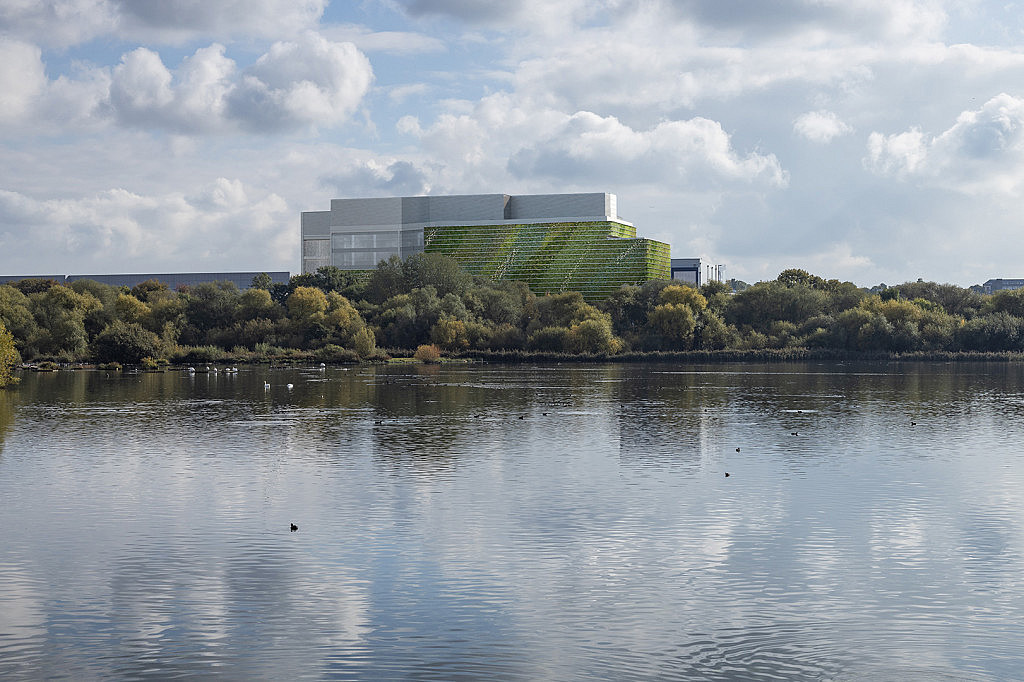
In 2021, we rolled it out at our first UK hyperscale data centre in Brent Cross, London, and then scaled to our Dublin site, using HVO for both backup and short-term primary generation. We are now actively exploring its use in other regions across the world.
Our experience has shown that HVO integrates seamlessly into existing operations. It’s a like-for-like, drop-in replacement for diesel that so far has been fully compatible with our generators, requiring no modifications or additional training for onsite teams. Most importantly, it enables up to an 85%[1] reduction in lifecycle carbon emissions compared to fossil diesel – and since adoption we’ve avoided over 4,100 tonnes of CO2e in direct emissions.[2]
85%
Reduction in lifecycle carbon emissions compared to fossil diesel
4,100 t
We’ve avoided over 4,100 tonnes of CO₂e in direct emissions
Beyond emissions: reliability and scale
There’s a misconception that sustainable fuels are less stable or harder to scale. HVO has proved the opposite. It has a storage life of up to 10 years and cleaner combustion that reduces particulates by around 30% and carbon monoxide by 25%. In real-world terms, this translates to easier emissions reporting, better local air quality and fewer maintenance headaches.
Crucially, we’ve also tested supply chain resilience. In Dublin, for example, we sourced nearly three million litres of HVO to support full production capacity without bottlenecks, even under emergency demand scenarios.
The next generation of low-carbon power
HVO is not the end of the journey. Pure DC is actively exploring other long-term, low-carbon alternatives to traditional backup, including small modular reactors (SMRs) – a new generation of compact, factory-built nuclear plants designed to deliver safe, reliable clean energy at a smaller scale – as well as biomethane and other renewable sources.
Biomethane, produced from renewable organic waste, is chemically identical to natural gas but carries only a fraction of the carbon footprint. This makes it a powerful bridge fuel – and we’re currently trialling its deployment at our Dublin site. Equipped with dual-fuel generators and a 200 MW thermal gas connection, the campus is well positioned to lead in the integration of biomethane as a scalable, low-carbon alternative.
Ireland currently lacks a large-scale domestic biomethane supply, relying on imported gas from Europe. That’s why Pure DC has taken on a leadership role – becoming one of the first data centre operators to sign biomethane purchase agreements at both national and EU levels. By working closely with producers and suppliers, our goal is to help stimulate market conditions for rapid growth, aligned with Ireland’s ambition of generating 5.7 TWh annually by 2030.
A new baseline for the industry
After four years of trials, testing and production-scale usage, our position is clear: HVO is proven, reliable and scalable. It should now be considered the new baseline for backup power in data centres. That’s why we are embedding it into our procurement and construction practices and encouraging our peers, partners and policymakers to do the same.
But the transition doesn’t stop here. The path to net zero demands both immediate action and long-term vision. At Pure DC, we are committed to both: delivering measurable emissions reductions today, while pioneering the next wave of clean energy solutions – from biomethane to SMRs – that will shape the technologies of tomorrow.
[1] [4] bp bioenergy HVO | Products and services | Home
[2] As direct CO2 emissions are zero rated for biogenic fuels the relative saving of CO2 equivalent (which also covers N2O and CH4) have been 97% in comparison to the use of fossil diesel. Across Scope 1 and Scope 3 emissions, the CO2e savings for Pure DC have amounted to an average of 84%
Pure thinking
We think deeply about the issues facing digital infrastructure, the communities in which we operate and the challenges facing the environment.
Alternative Energy
From replacing diesel with HVO to trialling biomethane, we are continually exploring alternative fuels to power our sites.
Economic benefits
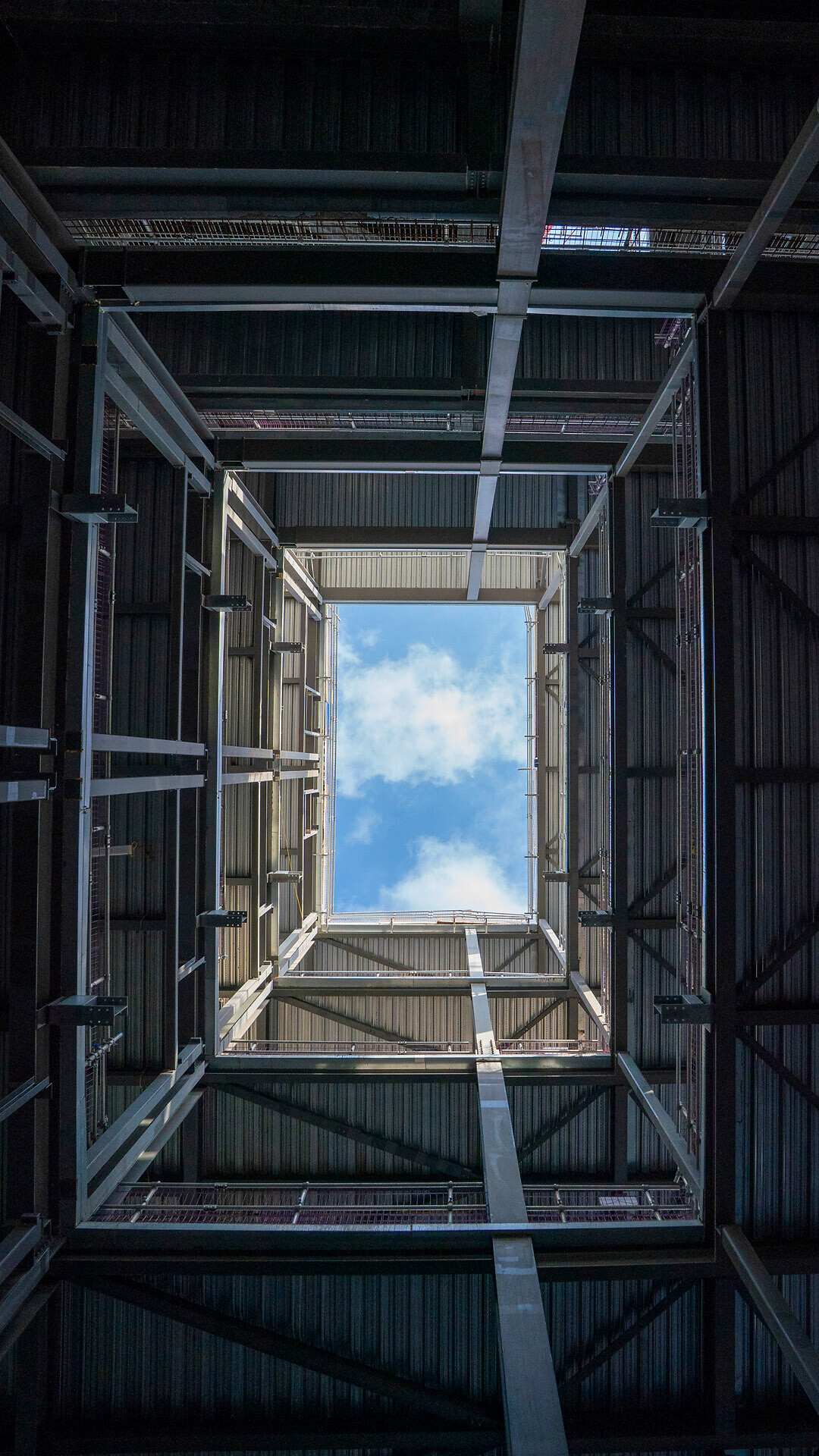
Pure DC data centres power more than the cloud – they power economies.

Jobs and Skills
Behind every Pure DC campus is a human story. Our projects generate thousands of jobs for diverse talent.
Power
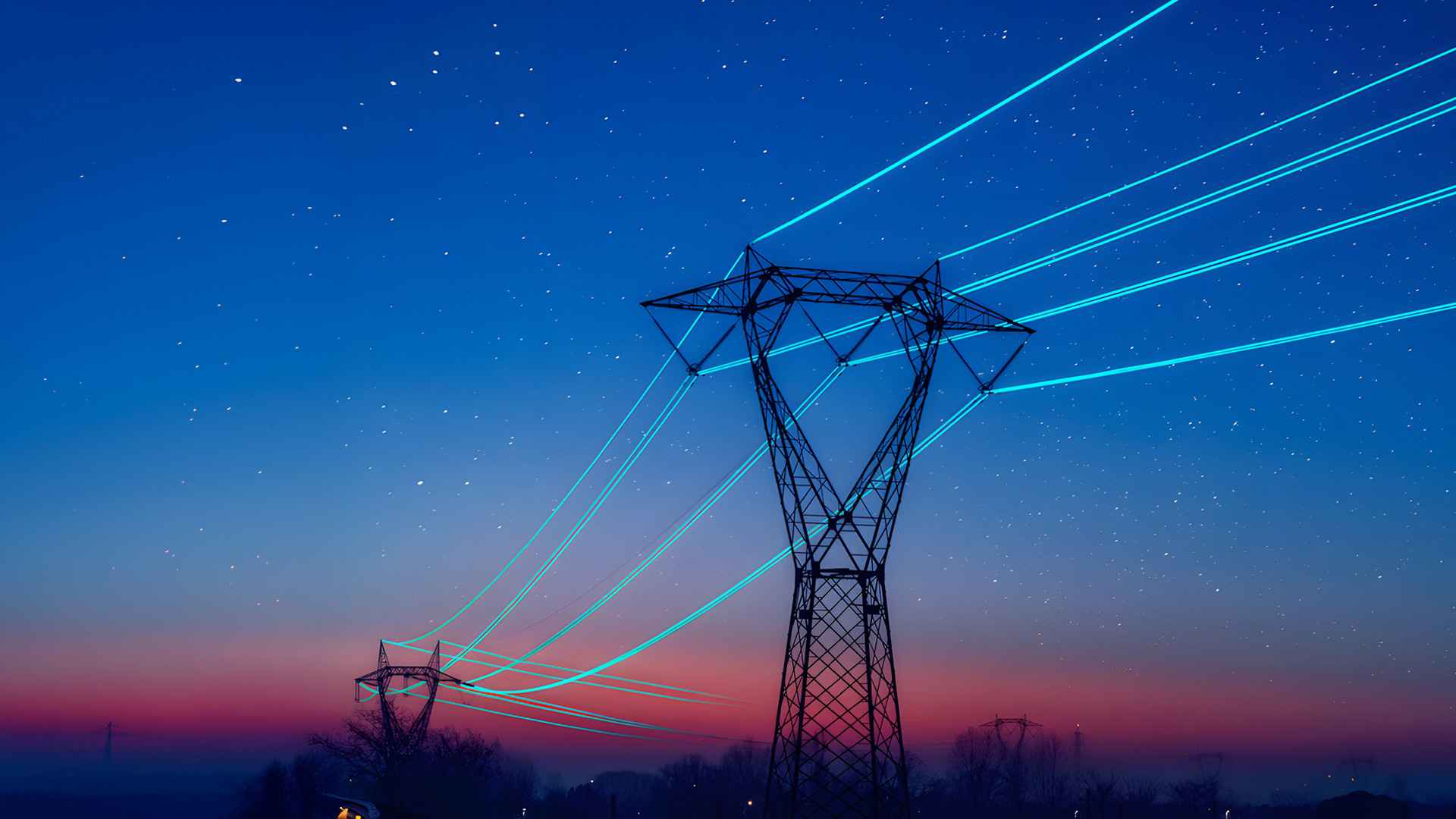
As power networks strain under rising digital demand, data centres can be part of the solution.

Water
Water is one of the planet’s most precious resources. That’s why Pure DC builds data centres with minimal water impact.

Our business model
We combine investment discipline, technical expertise and long-term partnerships to unlock capacity in the world’s most constrained markets, delivering sustainable digital infrastructure that creates lasting value for customers, investors, and communities.

Sustainability
At Pure DC, we’re redefining what responsible digital infrastructure looks like.
Biochar
From cooling urban spaces to boosting tree survival and rice yields, we’re helping unlock biochar’s full potential beyond net zero.